Forklift Safety System Installation Checklist for Your Vehicle and Site
Read More

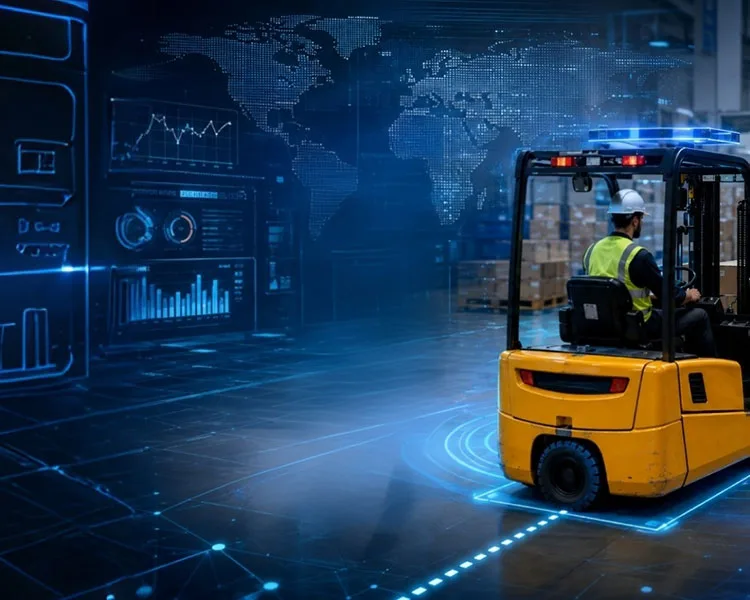
Choosing a forklift camera system starts with identifying the visibility problem operators face, rather than comparing specifications alone. The right configuration depends on where the blind spot occurs, how the forklift moves, how the camera will be installed, and whether the operation needs visual assistance, automatic detection, video recording, or remote management.
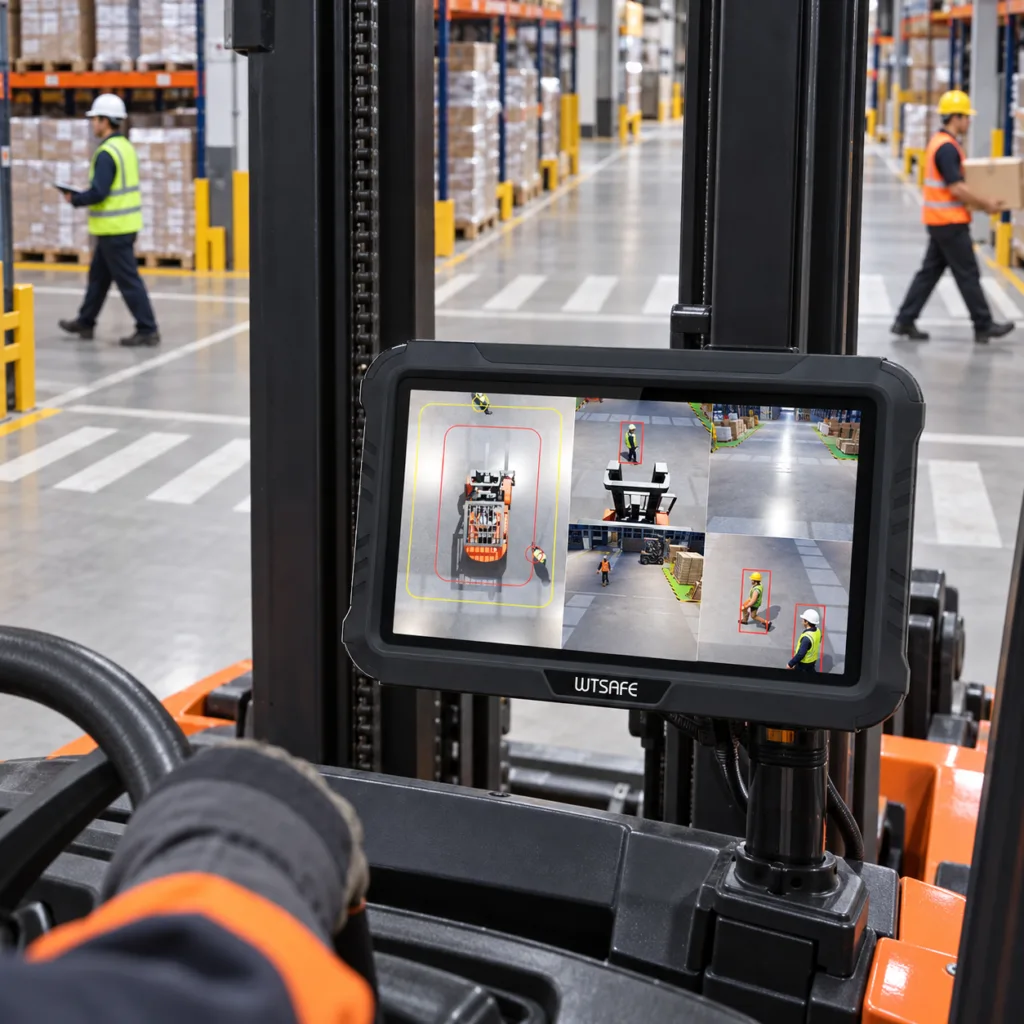
A forklift camera should solve a clearly defined operating problem. A rear-view camera may help an operator reverse through a loading area, but it will not necessarily improve visibility of the fork tips. A fork-view camera can assist with pallet positioning, while a multi-camera system may be more appropriate when hazards can approach from several directions.
Before selecting the equipment, observe where and when visibility is lost during normal operation. The problem may occur while reversing, turning at an intersection, entering a narrow aisle, lifting a load, positioning a pallet at height, or travelling with a load that blocks the forward view. The mast, counterweight, overhead guard, racks and nearby vehicles can all affect what the operator can see.
This assessment helps define the required camera position and field of view. It also prevents a system from being selected simply because it has more cameras, a wider lens or a longer feature list. A suitable system is one that gives the operator useful information at the moment the visibility problem occurs.
Different camera positions address different stages of forklift operation. Rear-view, fork-view, mast-view and panoramic systems should therefore be evaluated by the work they support, rather than treated as interchangeable product options.
A rear-view camera is suitable when the primary visibility problem is behind the forklift. It can help the operator monitor the travel path while reversing, approaching a loading dock or moving away from a storage rack. This makes it relevant to operations where forklifts reverse frequently in confined areas or where the counterweight obstructs the operator’s direct view.
The effectiveness of a rear-view system depends on the camera position, viewing angle, monitor location and surrounding conditions. Lighting changes, nearby equipment and the shape of the forklift body can influence how clearly the operator sees the area behind the vehicle. A rear-view camera may therefore be sufficient for a defined reversing problem but inadequate when the operator must also monitor fork tips, raised loads or side traffic.
A fork-view camera is designed for operations in which the operator cannot clearly see the fork tips or pallet entry point. It can support fork alignment, pallet engagement and load placement, particularly when the load blocks the operator’s forward line of sight or when goods must be placed on higher rack levels.
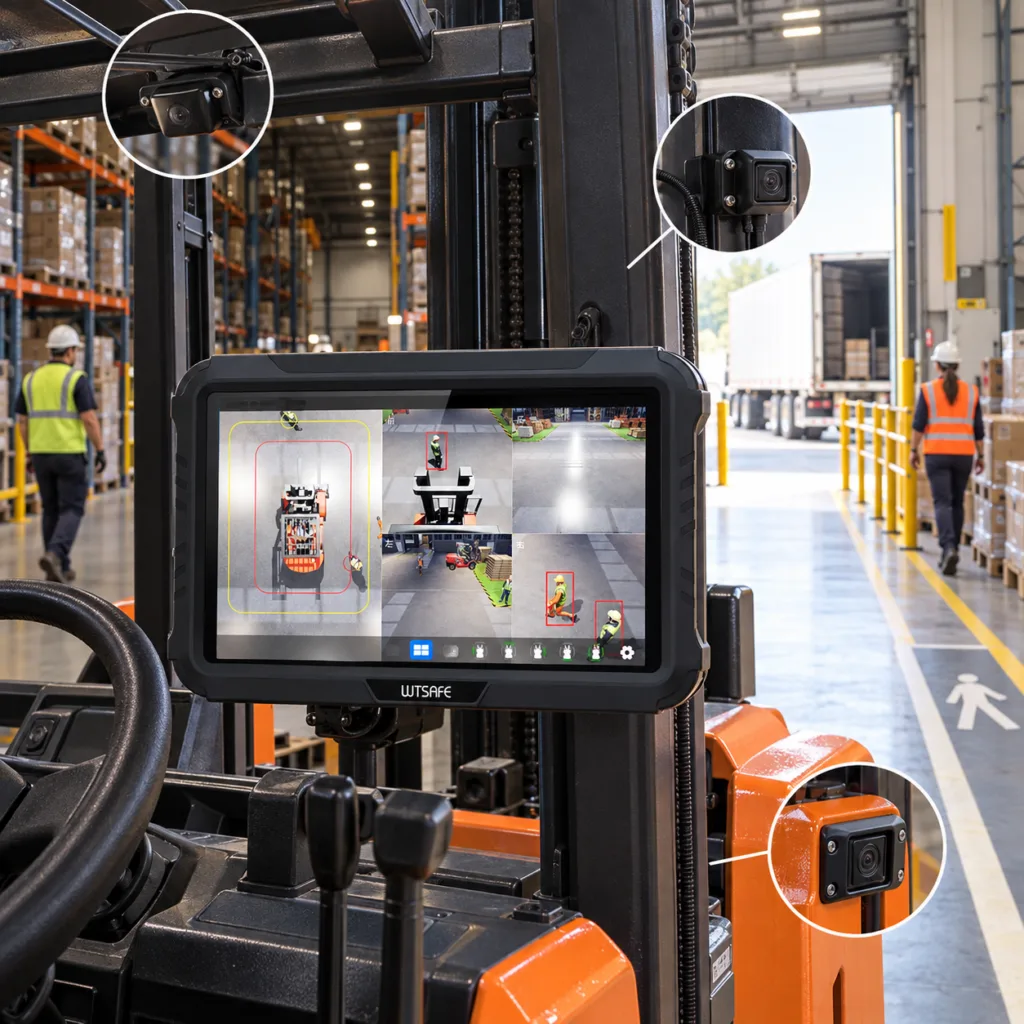
Because the camera may move with the fork carriage or mast, the installation has to account for lifting range, vibration, cable movement, power supply and physical protection. A position that provides a clear image at ground level may not offer the same view when the forks are raised. Camera placement should therefore be checked across the actual range of movement instead of being confirmed from a stationary installation alone.
A mast-view camera may provide a clearer image of the load, lifting mechanism and storage position when the mast or pallet obstructs forward visibility. It is useful when the operator needs to monitor the relationship between the forks, load and rack throughout the lifting process.
The supplier should understand the forklift’s mast structure, lifting height and available mounting positions before recommending this configuration. The installation should also avoid interference with hydraulic components and other moving parts. These considerations make mast-view selection an engineering decision rather than simply a choice of camera resolution.
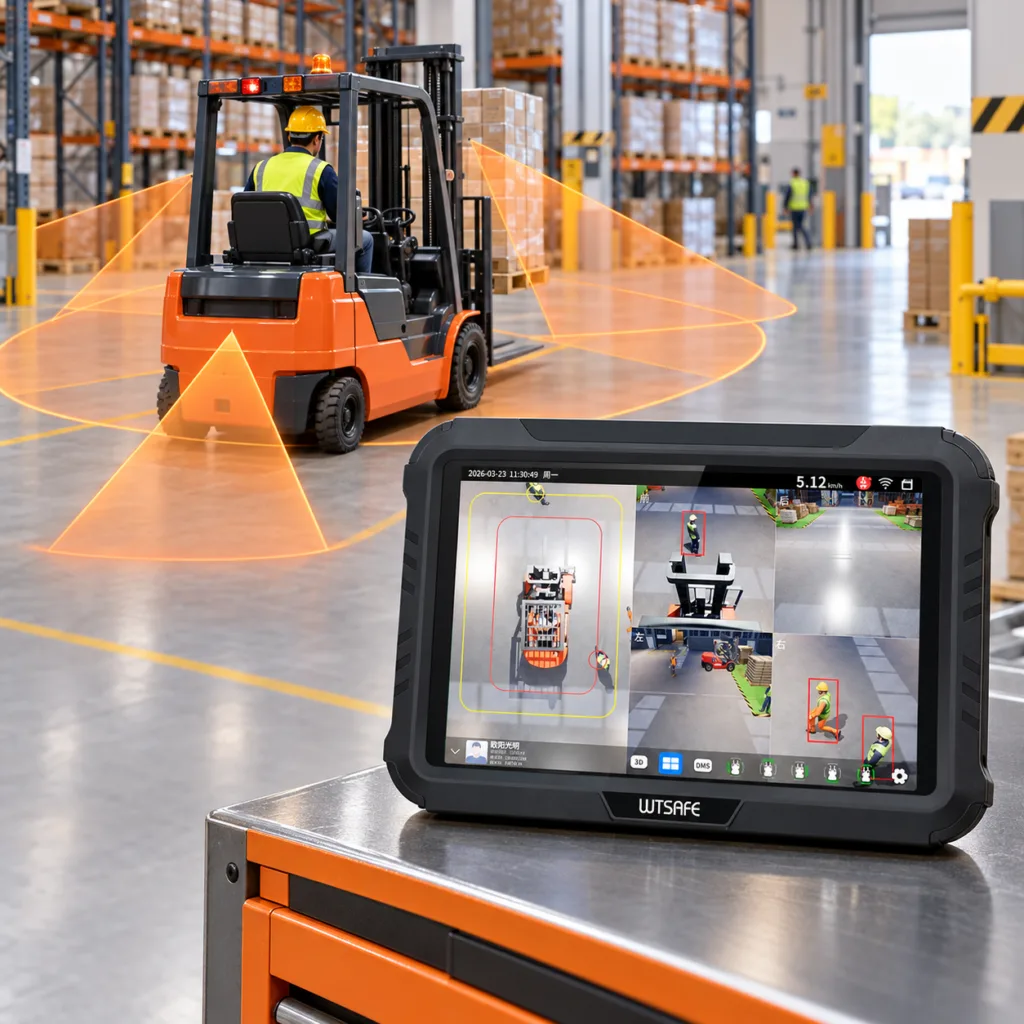
A 360 forklift camera system may be considered when the visibility problem is not limited to a single direction. Forklifts working in narrow aisles, intersections, loading zones, doorway areas or mixed pedestrian-vehicle environments may encounter changing risks as they move and turn.
A multi-camera configuration can combine several views to provide broader awareness around the vehicle. However, adding more cameras does not automatically create a more useful system. Camera positions, image coverage, monitor layout and the way different views are displayed should all support quick interpretation by the operator. If the main problem is limited to reversing or fork positioning, a focused camera configuration may be easier to install and use than a full panoramic system.
After the required camera views have been identified, the next decision is how the system should transmit images, receive power and fit the forklift structure. Wired and wireless systems each have appropriate applications, and the choice should reflect installation conditions rather than a general assumption that one is better.
A wired system may be suitable when camera positions are fixed and the forklift provides a protected cable route. It can be practical for vehicles with predictable movement and sufficient space for secure installation.
The cable route should remain protected during lifting, turning, maintenance and daily cleaning. It must not interfere with the mast, hydraulic components or other moving parts. For mixed fleets, the installation should be assessed on each forklift model because differences in body and mast structure may require different cable routes or mounting positions.
A forklift wireless camera system can be considered when moving components make cable routing difficult or when cameras need to be installed on existing forklifts with minimal structural changes. It may also provide more flexibility across a fleet containing several vehicle types.
Wireless performance still depends on the operating environment. Steel racks, antenna position, nearby wireless equipment, power arrangements and local signal interference may affect image transmission. A wireless configuration therefore requires on-site signal assessment, secure mounting and regular inspection; it should not be treated as a maintenance-free alternative to wiring.
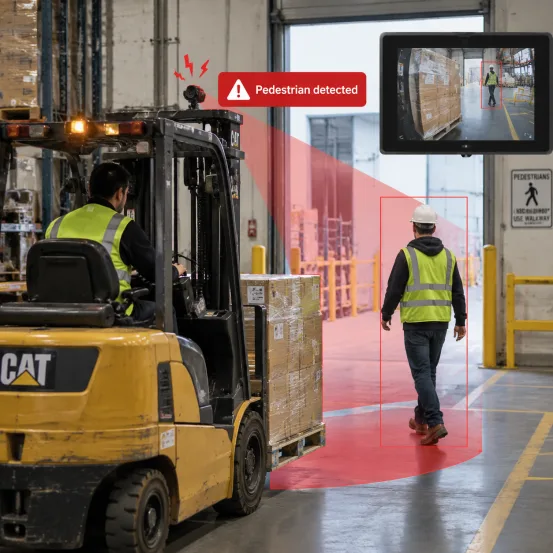
A standard camera provides a visual image that the operator must interpret. An AI pedestrian detection camera can add automatic recognition and warning when pedestrians or other defined targets enter a monitored area, subject to the system configuration and operating conditions.
This function may be relevant in areas where forklifts and pedestrians work in close proximity, at recurring blind corners or where supervisors need event records in addition to a live view. The required system may involve more than a camera because detection, warning, recording and management functions need to work together.
AI detection remains an additional layer of risk awareness. It does not replace separated traffic routes, barriers, warning signs, operator training or workplace procedures. Sites that need to compare cameras with radar, proximity warning and other technologies can review the broader guide to forklift alert system types after defining their camera requirements.
The same forklift safety camera system may perform differently across warehouses, factories, yards and loading areas. System selection should therefore include the environmental conditions that influence image quality, transmission and equipment durability.
Lighting is one of the first factors to check. A forklift may move between bright outdoor areas and darker indoor aisles, while shadows, reflective surfaces or low-light zones can affect how clearly the operator identifies people and objects. Dust, moisture, vibration and exposure to impact should also be considered when choosing camera positions and protective installation methods.
The physical warehouse layout matters as well. High steel racks, narrow passages, doorways and nearby equipment can obstruct views or influence wireless transmission. The evaluation should follow the forklift’s actual route rather than relying only on a general warehouse plan.
Monitor placement requires similar attention. The screen should be visible without obstructing the operator’s direct view or creating unnecessary distraction. When several views are available, the display should make it easy to understand which direction is being shown and when a camera view changes.
Not every operation needs the same level of functionality. Some sites only need a live image to improve visibility during reversing or load placement, while others need automatic pedestrian alerts, event recording or remote supervision.
If video recording is required, define why the footage is needed. Incident review, near-miss investigation and operator training may require different recording and access arrangements. The business should also determine who can review the footage, how records will be managed and whether the cameras need to connect with a wider fleet management platform.
When automatic warnings are required, the project should define the target to be detected, the monitoring area and the way the operator will receive the alert. These requirements help determine whether a standard camera is sufficient or whether the operation needs a more integrated monitoring and warning system.
A supplier can recommend a more appropriate configuration when the request includes practical information about the vehicle and worksite. Asking only for the “best forklift camera” provides little basis for determining camera position, installation method or system functions.
| Requirement | Information to confirm |
| Forklift and mast | Vehicle type, mast structure, lifting height and available mounting positions |
| Visibility problem | Rear path, fork tips, raised load, side traffic or several blind spots |
| Operating area | Aisles, racks, intersections, loading bays, doorways and pedestrian routes |
| System requirement | Live viewing, AI detection, warning, recording or remote management |
| Installation conditions | Wired or wireless preference, power supply, signal environment and existing equipment |
Providing this information allows the proposed system to be built around the operating problem. It also helps distinguish essential functions from features that may add cost or installation complexity without addressing the main risk.
One common mistake is selecting a camera before confirming the blind spot. This can result in a technically functional system that does not show the area the operator actually needs to see. Another is assuming that a wider viewing angle or more camera channels will always provide better visibility. An image can cover a large area but still be difficult to interpret if the mounting position is poor.
Wireless systems are sometimes selected without testing the signal environment, while AI systems may be considered without first defining the required detection zone and alert response. Buyers may also overlook monitor placement, power supply, cable protection and maintenance access even though these factors affect daily use.
A reliable selection process connects the operating task, vehicle structure, camera position and required response. Product specifications should be reviewed after those conditions have been established.
Choose according to the main visibility problem. A rear-view camera supports reversing and docking, while a fork-view camera helps with fork alignment and load placement. Operations that experience both problems may need more than one camera view.
Neither system is universally better. Wireless cameras may suit retrofit projects, moving masts and mixed fleets, while wired systems may be suitable when camera positions are fixed and protected cable routing is available. The final choice depends on the forklift structure and worksite conditions.
A 360° system may be appropriate when hazards can approach from several directions, particularly in narrow aisles, intersections, loading areas and mixed traffic zones. A single camera may be more practical when the problem is limited to one defined blind spot.
No. AI detection can provide an additional recognition and warning layer, but it should operate alongside traffic separation, barriers, markings, training and established workplace procedures.
Provide the forklift type, mast structure, main blind spots, operating routes, lighting conditions, installation restrictions and required functions. Also clarify whether the system needs only live viewing or should include automatic detection, recording or remote management.
The most suitable forklift camera system is not necessarily the one with the longest feature list. It is the configuration that matches the forklift’s movement, operator visibility, vehicle structure, worksite layout and required level of monitoring.
Begin with the operating problem, select the camera view that addresses it, and then confirm the installation, detection, recording and management requirements. This creates a clearer basis for comparing systems and requesting an appropriate configuration.
If you need help matching camera positions and system functions to your forklift routes, vehicle structure and operating conditions, contact WTSAFE to discuss your application requirements.