Forklift Safety System Installation Checklist for Your Vehicle and Site
Read More

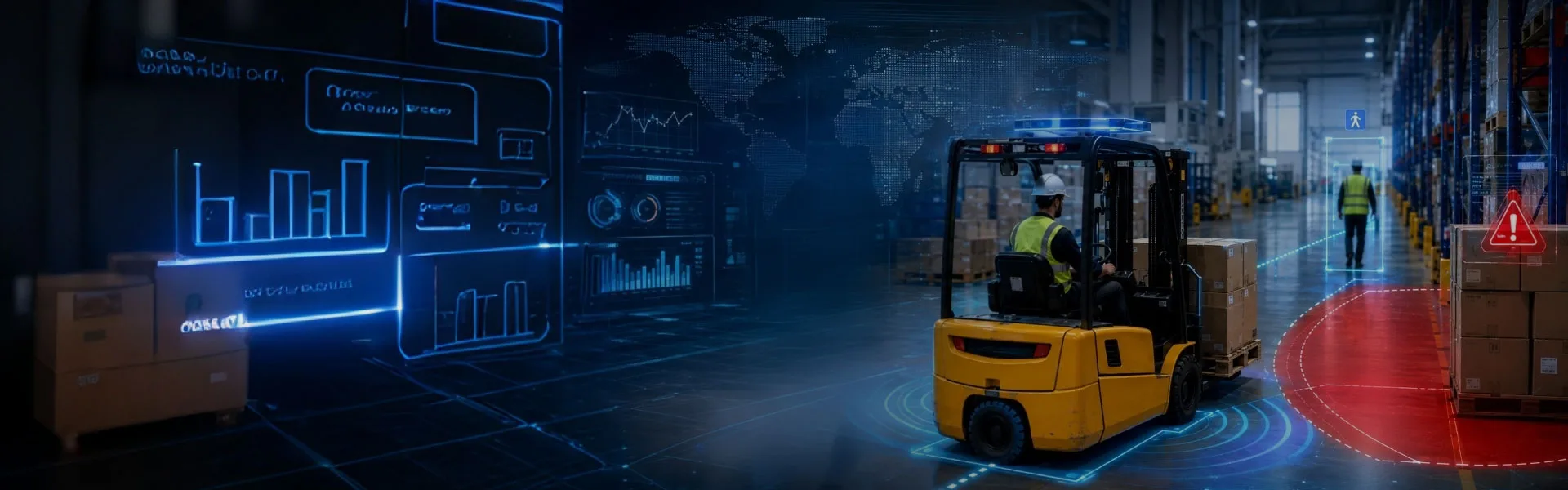
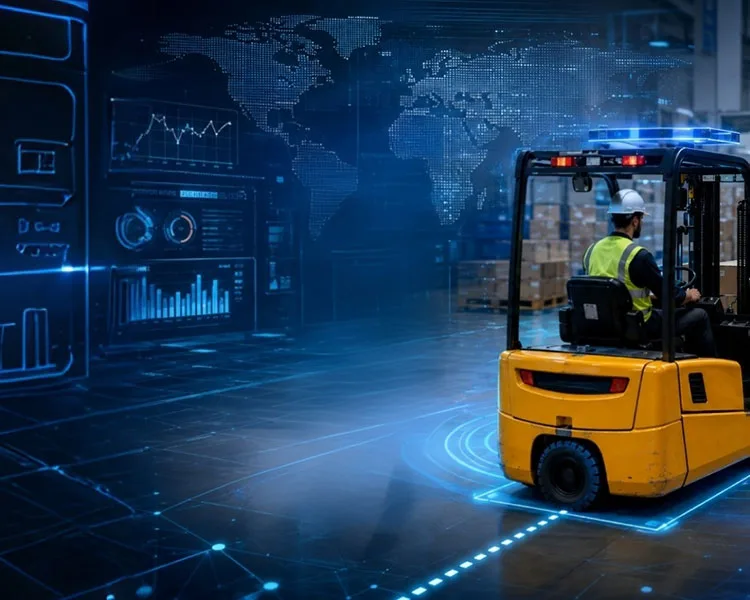
A forklift and a pedestrian can pass dangerously close without anyone being injured. The operator may brake, the pedestrian may step back, and work continues. But if the same interaction happens repeatedly at a doorway or loading bay, the absence of an accident does not mean the route is safe. Monitoring forklift-pedestrian near misses with cameras helps safety teams see these interactions, review what led to them, and decide which traffic controls need to change.
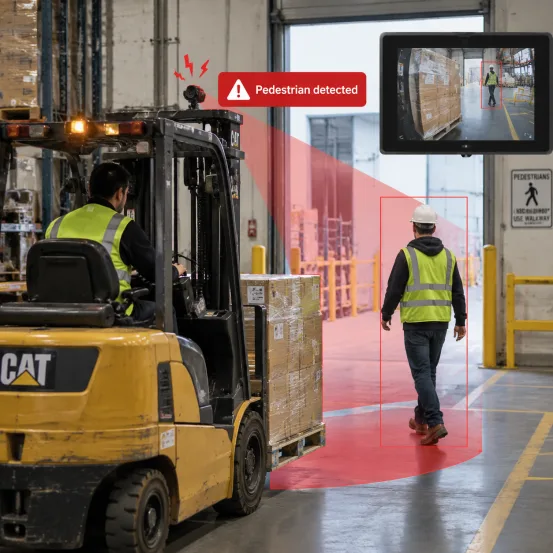
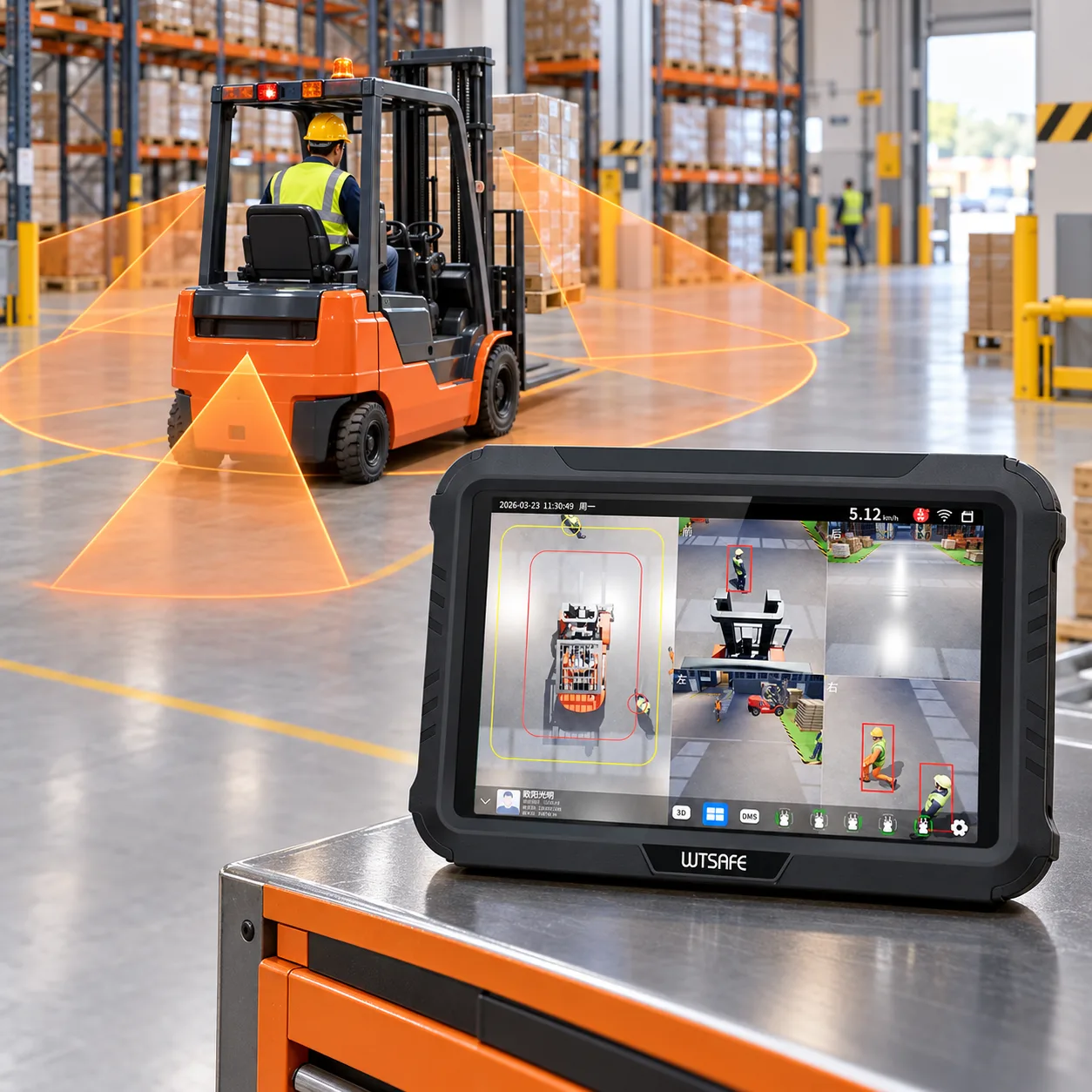
An AI camera can support that process by identifying a person near an operating forklift and generating a warning or event record, depending on the system configuration. The camera is only the starting point. The management value comes from connecting what was detected to a location, an operating condition, a review decision and a corrective action.
A near miss is a close call in which someone could have been hurt if the circumstances had been slightly different. OSHA encourages employers to investigate close calls to find underlying hazards and prevent similar incidents. In forklift operations, examples may include a pedestrian entering a reversing area, a truck turning toward someone at a blind corner, or a worker crossing an active vehicle route with too little clearance.
Not every pedestrian detection alert is a near miss. A person walking behind a stationary forklift, for example, creates a different level of risk from someone crossing the path of a moving truck. Sites should define their review criteria around vehicle movement, pedestrian position, direction of travel, visibility and whether either person had to take evasive action. This gives reviewers a consistent way to separate routine proximity alerts from events that warrant investigation.
When an AI camera detects a person in a configured risk area, it can alert the operator while the event is unfolding. If the selected equipment and recording setup support event capture, a safety manager can later review footage around the alert rather than relying only on memory or a brief written report.
The review should answer a practical question: Why were the forklift and pedestrian in the same space at that moment? Footage may reveal an obstructed view, an informal shortcut across a vehicle route, a temporary pallet stack beside a crossing or a reversing movement during a busy shift change. An alert count alone cannot explain those conditions.
For each event worth investigating, the team should retain enough context to support a decision. Useful fields include the time, location, forklift or camera identifier, direction of travel, relevant footage where available, reviewer’s classification and action taken. Driver or shift information can also be useful if it is available through the site’s approved systems and handled under its privacy rules. These are recommended review fields, not a claim that every camera installation captures them automatically.
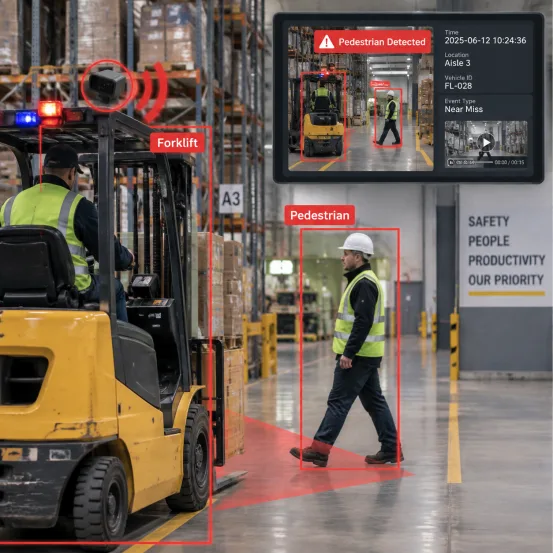
A single close call may point to an immediate hazard. Several similar events can show that a traffic route or working practice needs a broader change. Reviewing events by location and shift helps a team distinguish an isolated mistake from a repeatable exposure.
| Pattern in the records | What to investigate | Possible site response |
| Repeated alerts at one blind corner | Sight lines, pedestrian route and forklift turning path | Clear obstructions, improve separation or change the route |
| Events concentrated around shift changes | Pedestrian volumes and vehicle schedules | Separate movements by time or adjust crossing arrangements |
| Frequent reversing interactions at a loading bay | Bay layout and the need to reverse | Redesign the flow where practicable and review reversing controls |
| Many alerts with little apparent risk | Detection zone, camera position and review criteria | Adjust and test the configuration before relying on the data |
A heat map or dashboard can make these patterns easier to see, but neither is essential to begin. A consistent event log and a site map may be enough to identify the first recurring problem. The aim is not to produce more reports; it is to identify where people and vehicles keep coming into conflict.
Both approaches can contribute to near-miss monitoring, but they observe different parts of an event. The choice depends on whether the priority is an immediate warning to the operator, a broader view of a fixed location, or both.
| Evaluation point | Vehicle-mounted AI camera | Fixed CCTV with suitable analytics |
| Main viewpoint | Moves with the forklift and shows its immediate surroundings | Watches a defined crossing, aisle or work zone |
| Strongest use | Supporting operator awareness around the vehicle | Reviewing recurring interactions at a known location |
| Coverage limit to assess | Camera placement, load obstruction and vehicle configuration | Camera angle, occlusion and areas outside the fixed view |
| Event information to verify | Alert output, recording and vehicle-data integration | Event detection, footage retrieval and camera-to-location mapping |
These are deployment considerations, not guarantees for every product. Before choosing a setup, test it under the site’s actual lighting, loads, routes and pedestrian movements. Where both viewpoints are available, they may provide complementary evidence: the vehicle view shows what was near the operator, while the fixed view helps explain how traffic moved through the area.
Once a near miss has been classified, the next step is to identify the condition that allowed it. If pedestrians routinely cross a forklift route to reach a doorway, another reminder to “be careful” may have limited value. A safer route, a protected crossing or a change to vehicle flow may address the exposure more directly.
Record who owns the action and how its effectiveness will be checked. After the change, review events from the same location under comparable operating conditions. If close calls continue, the team may need to reassess the layout, procedure or detection setup. A falling alert count is worth examining, but it should not be treated as proof of reduced risk without checking whether camera coverage, thresholds or traffic volume also changed.
This is where camera monitoring becomes more than an alert system: detection prompts a review, the review identifies a control gap, and follow-up tests whether the change worked.
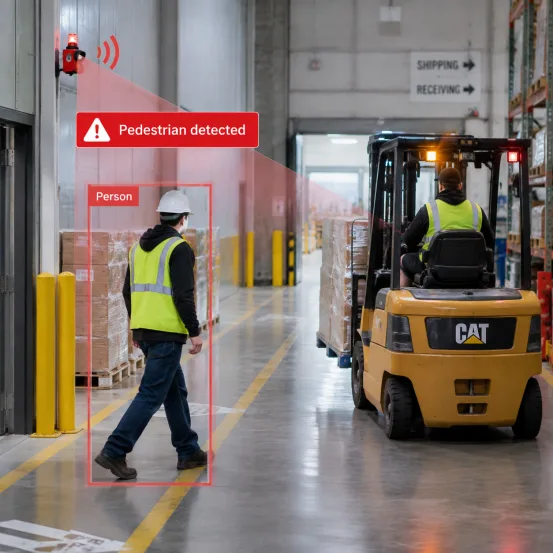
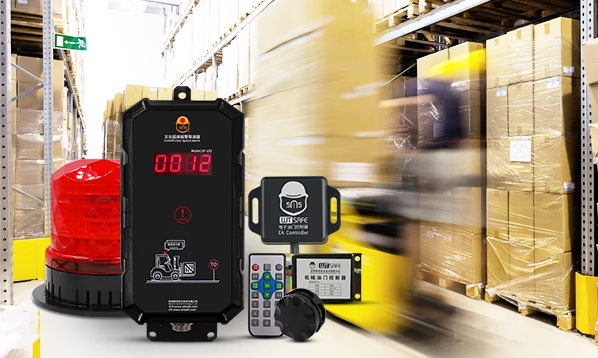
WTSAFE describes its forklift safety solution as supporting pedestrian detection and daily safety management. Its website also describes warning and intervention records in a forklift application and an intelligent management platform for reviewing safety-event data. The exact event fields, footage retention and platform integrations should be confirmed for the proposed configuration before making them part of a site workflow.
During a product evaluation, ask to see an event from beginning to end: what triggers it, what the operator sees or hears, what a manager can retrieve afterward, and how the record is linked to a corrective action. Test both a genuinely risky interaction and a routine one. The difference matters because an unmanageable volume of low-value alerts can make it harder to find the close calls that deserve attention.
A detection alert is a prompt for review, not a final investigation finding. The site should examine the available footage and operating context against its own near-miss criteria before classifying the event.
Not necessarily. A site needs enough information to understand and act on relevant events. The appropriate recording method and retention period depend on the equipment configuration, operational purpose and applicable privacy requirements.
No. Detection and warnings can support a broader safety plan, but they do not remove the need to manage routes, crossings, visibility and operating practices.
Want to assess forklift-pedestrian risks at your site?
Share your vehicle types, camera coverage needs and the locations where close calls occur with WTSAFE. The team can discuss a suitable forklift safety configuration and which event-review functions are available for it.