
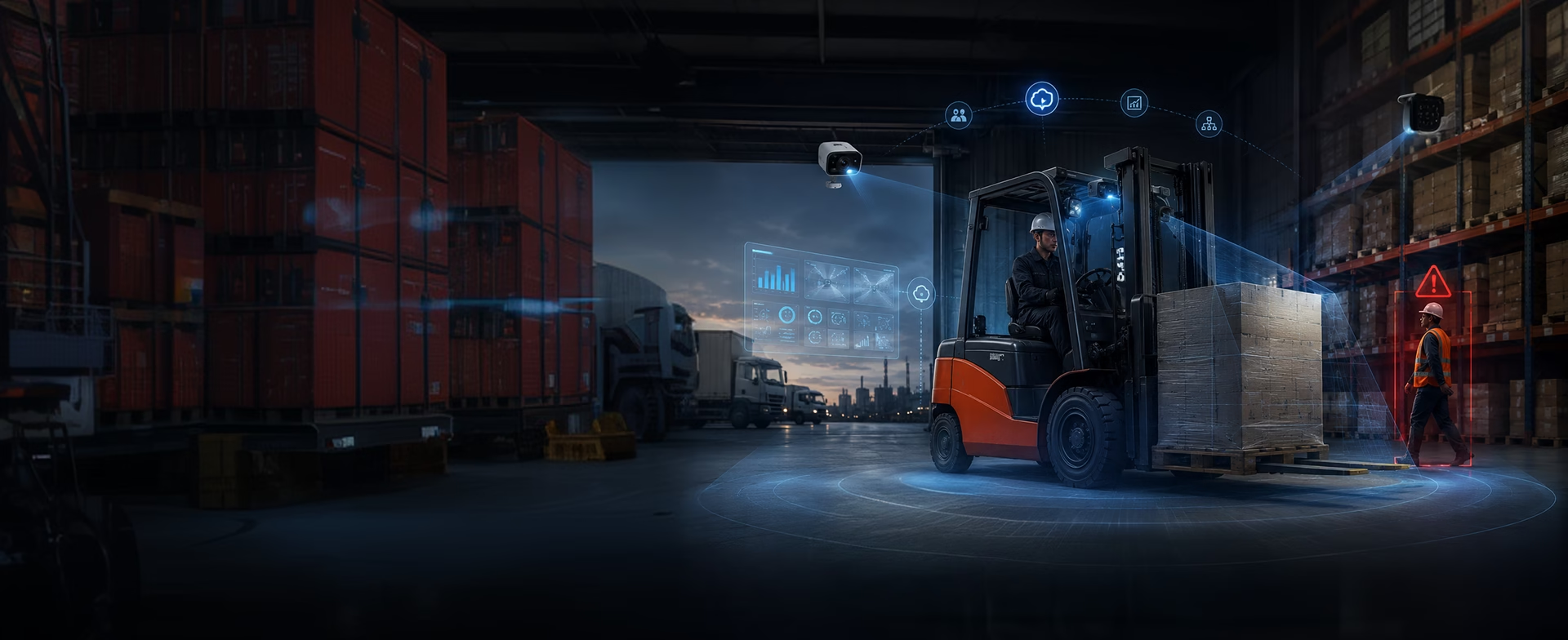
Loader Blind Spot Detection Systemfor Safer Operations.
in large blind spots, dust, noise and uneven ground conditions.
When Loader Visibility Fails,Worksite Costs Rise

Site Safety Pressure

Operational Costs

Financial Costs
Site Safety Pressure
Operational Costs
Financial Costs
Hidden Risks inLoader Work Areas
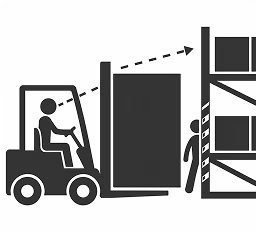
Wide Blind Spots
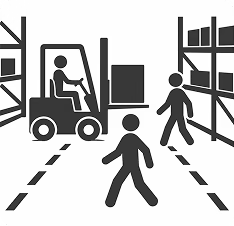
Mixed Traffic Around Loaders
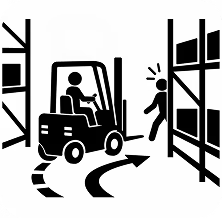
Reversing & Loading Risks

Dust, Noise & Low Visibility
Wide Blind Spots
Mixed Traffic Around Loaders
Reversing & Loading Risks
Dust, Noise & Low Visibility
Wheel Loader Monitoring Systemfor Worksite Risk Control
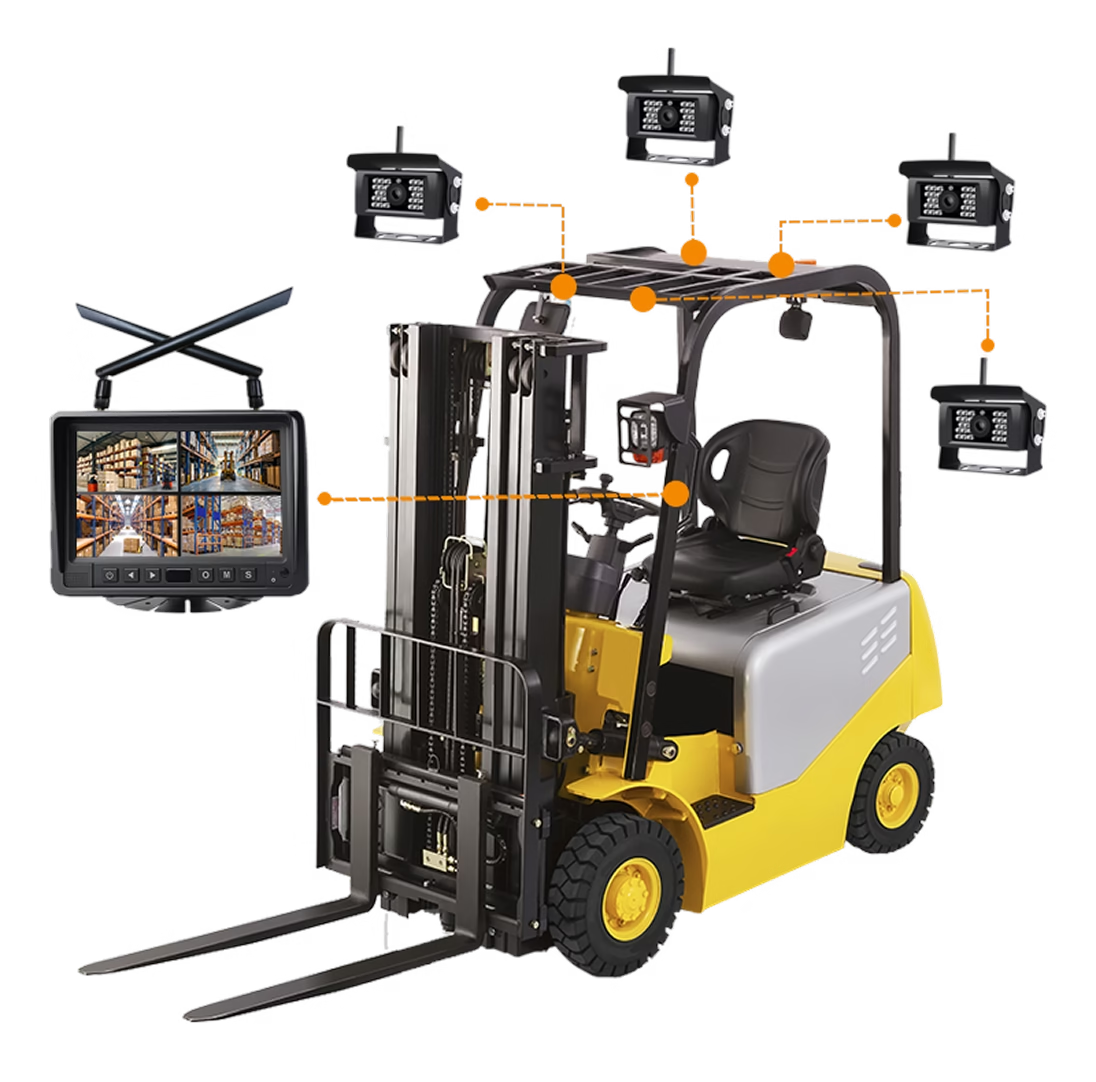
AI Loader Pedestrian Anti-Collision System
Loader Reversing Radar Warning System
360° Loader Surround View System
Loader Safety Zone Light
AI Loader Pedestrian Anti-Collision System
Loader Reversing Radar Warning System
360° Loader Surround View System
Loader Safety Zone Light
Loader Camera System for Loading and Yard Transfer
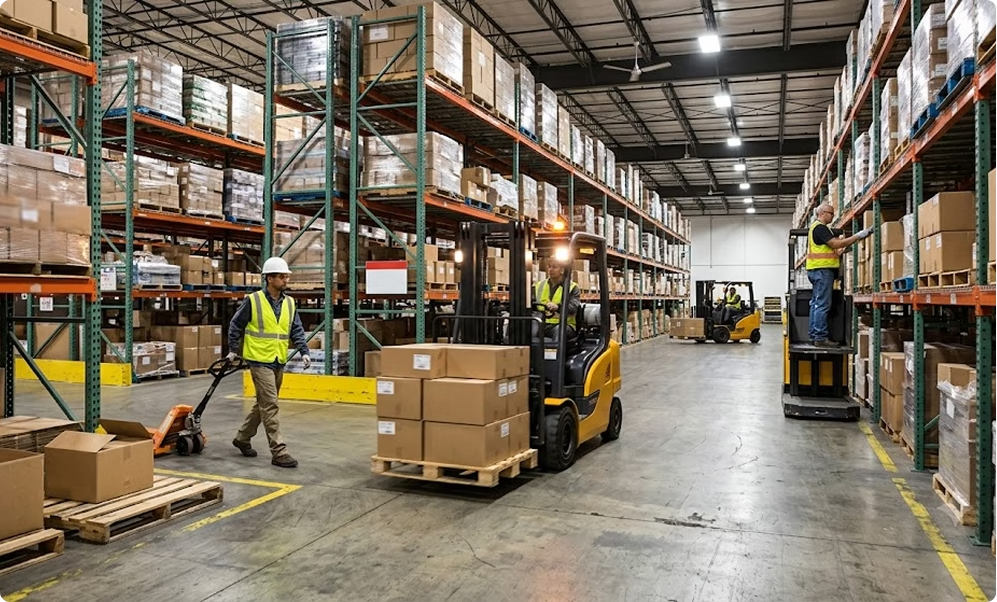
Construction Sites
Mining Stockyards
Industrial & Mining Plants
Building Material Parks
Logistics Yards
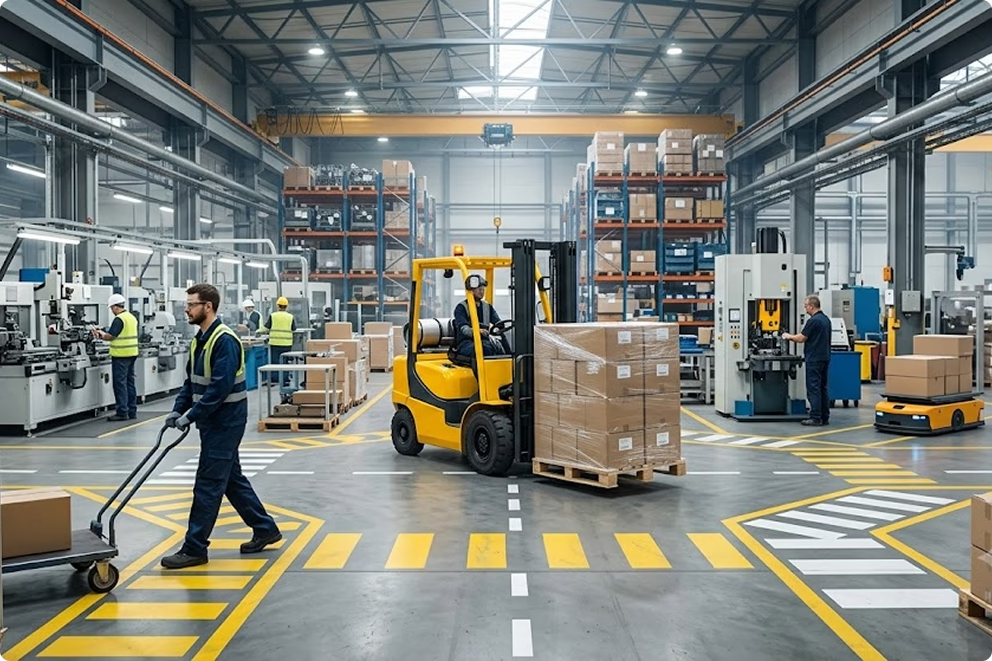
Night / Low-Visibility Worksites
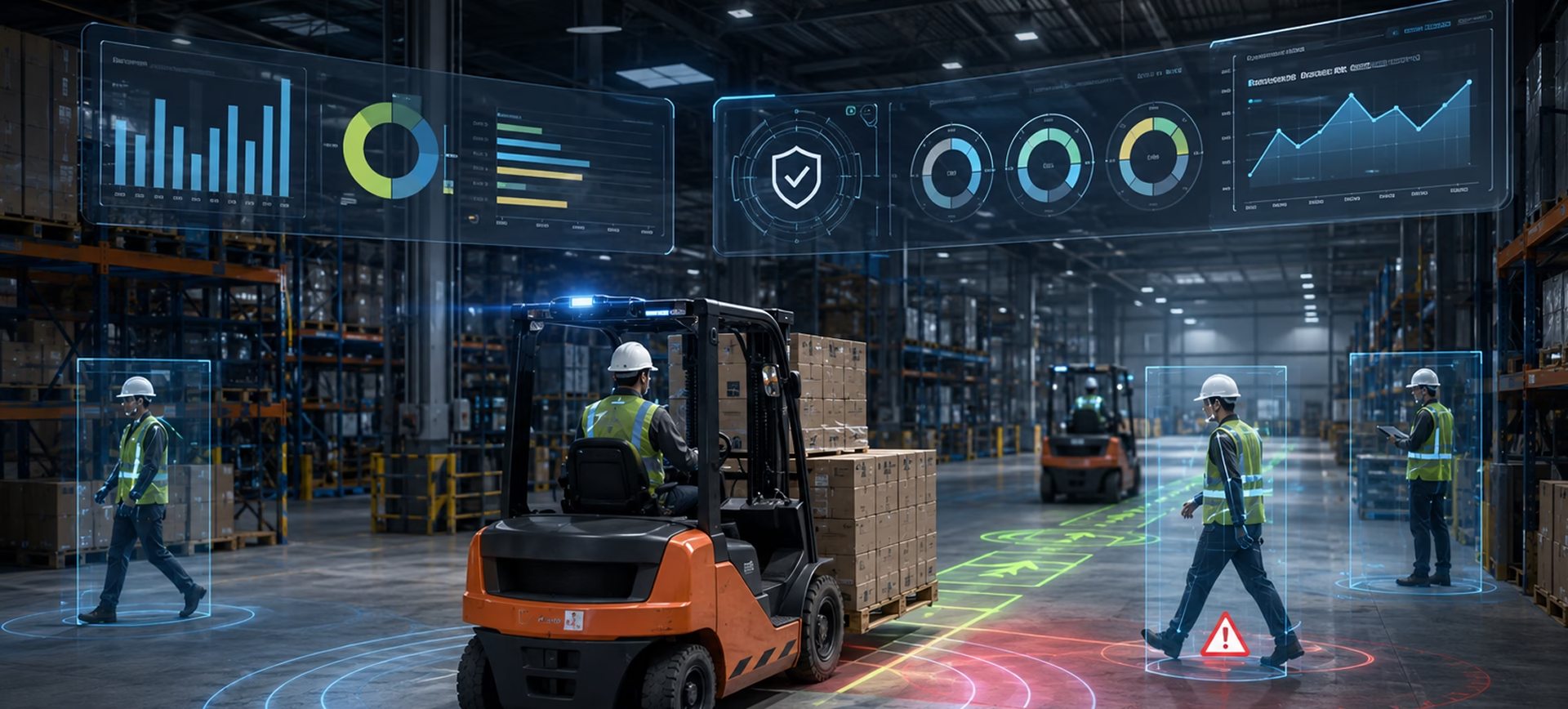
Clearer Visibility for Loader Collision Avoidance

Better Surrounding Awareness

Earlier Warning in Risk Areas

Safer Reversing and Loading

Flexible Deployment for Projects
Where Safety Meets Real Worksite Demands
Customer Pain Points:
Solution:
Application Results:
Loader Safety Questions for Real Worksite Use
A: Loaders have a large rear body, high bucket structure, and wide turning radius, which can block the operator’s view during reversing, loading, and yard movement. Rear blind spot protection helps detect people, vehicles, and obstacles that may be hidden behind the machine.
A: Millimeter-wave radar monitors the rear blind area and detects approaching pedestrians, vehicles, and obstacles. In loader reversing applications, it can support up to 20m detection and three adjustable warning distance levels, giving operators earlier alerts before rear collision risks become critical.
A: For loaders working around material piles, trucks, workers, and uneven ground, 360° surround view helps operators understand the full area around the vehicle instead of relying only on mirrors or rear cameras. It is especially useful for loading, turning, stockyard transfer, and close-range movement.
A: Yes. A 360° monitoring setup can be combined with AI pedestrian detection to provide both panoramic visibility and active risk alerts. When workers enter a risky area around the loader, the system can remind the operator in time, reducing blind spot and close-range operation risks.
A: Yes. Rugged excavator cameras can support clearer visibility in outdoor, dusty and high-vibration conditions when matched with the right display and wiring setup.
A: Reversing anti-collision protection is recommended for loading zones, material yards, mining stockyards, construction sites, and other areas where loaders frequently reverse, turn, or move close to workers, trucks, walls, material piles, or other equipment.
A: Dealers should check blind spot range, mounting position, working distance, power supply and site conditions before selecting an excavator camera system or loader safety setup.
A: A standard package may work for basic reversing or visibility needs, but loader worksites vary greatly. Material yards, mines, ports, and construction sites often require different combinations of cameras, radar, displays, warning lights, and AI detection to match the actual risk level.


