
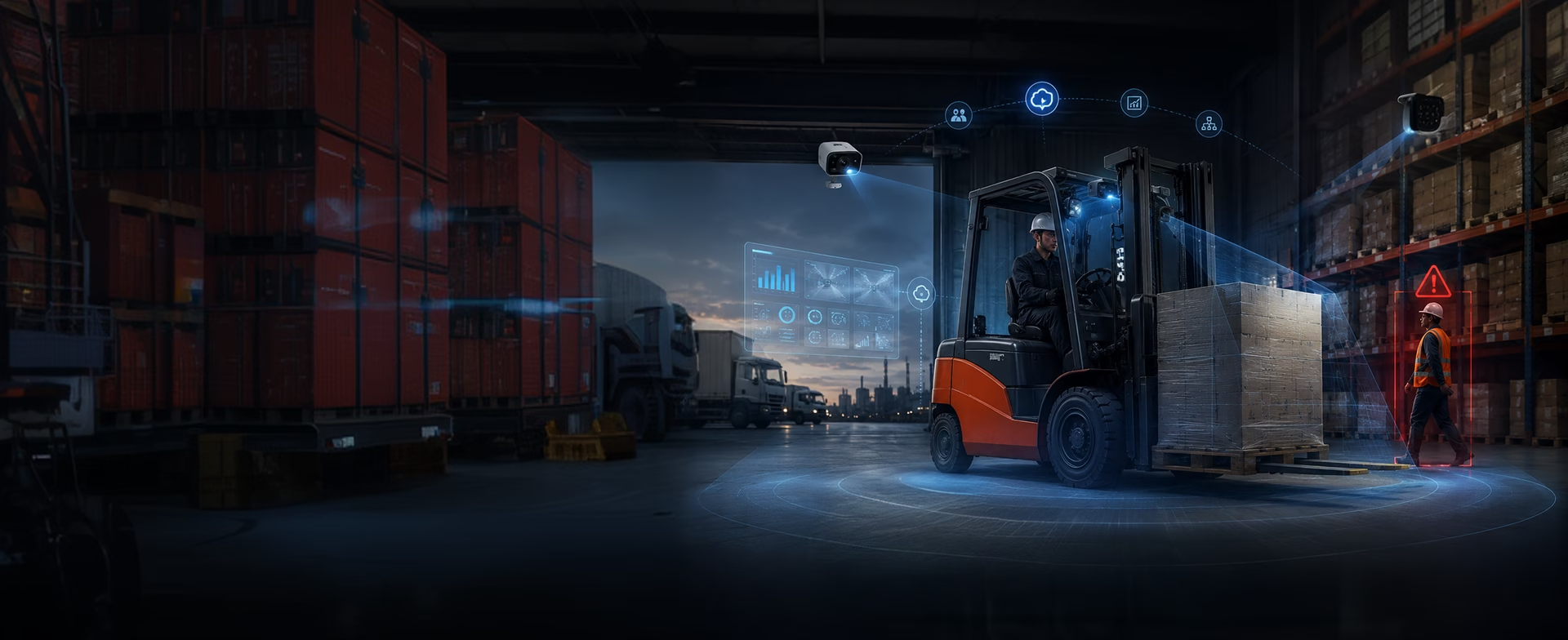
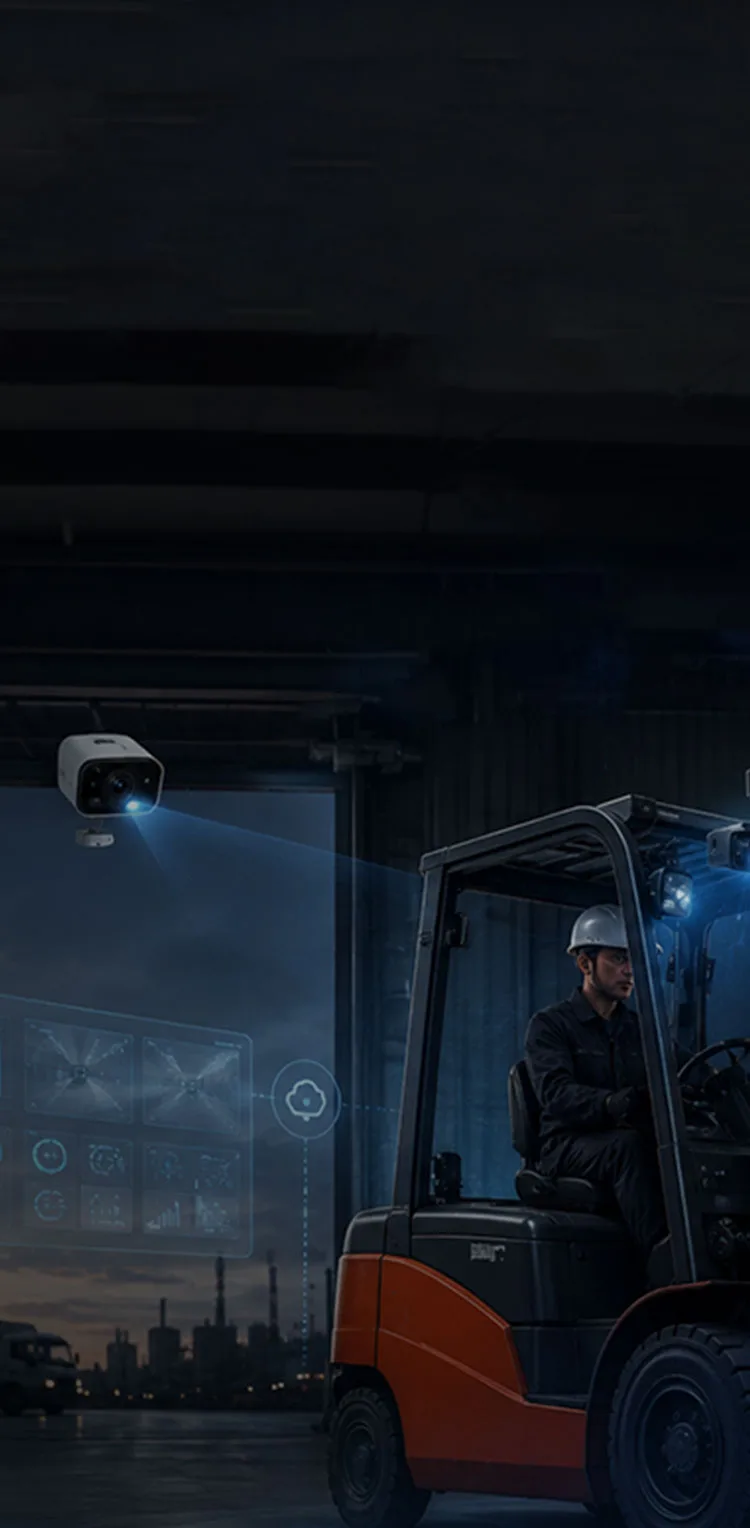
Mining Collision Prevention Systemfor Safer Mine Operations
working on dusty slopes, underground tunnels and mixed-traffic mine sites.
When Mine Vehicle Risks Disrupt Production Flow

Tonnage Output Loss

Haulage Cycle Bottleneck

Heavy Recovery Cost
Tonnage Output Loss
Haulage Cycle Bottleneck
Heavy Recovery Cost
Mine Site Conditions That MakeCollision Avoidance in Mines Harder
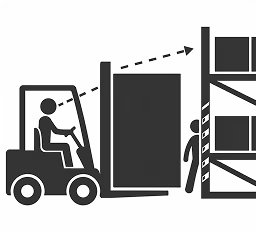
Large-Body Blind Spots
Dust & Low Visibility
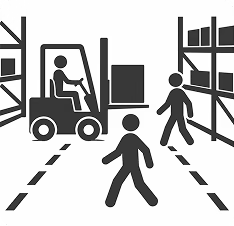
Mixed Traffic in Mine Areas

Complex Terrain & Narrow Tunnels
Large-Body Blind Spots
Dust & Low Visibility
Mixed Traffic in Mine Areas
Complex Terrain & Narrow Tunnels
Mining Collision Avoidance Technologyfor Visible Mine Road Risks
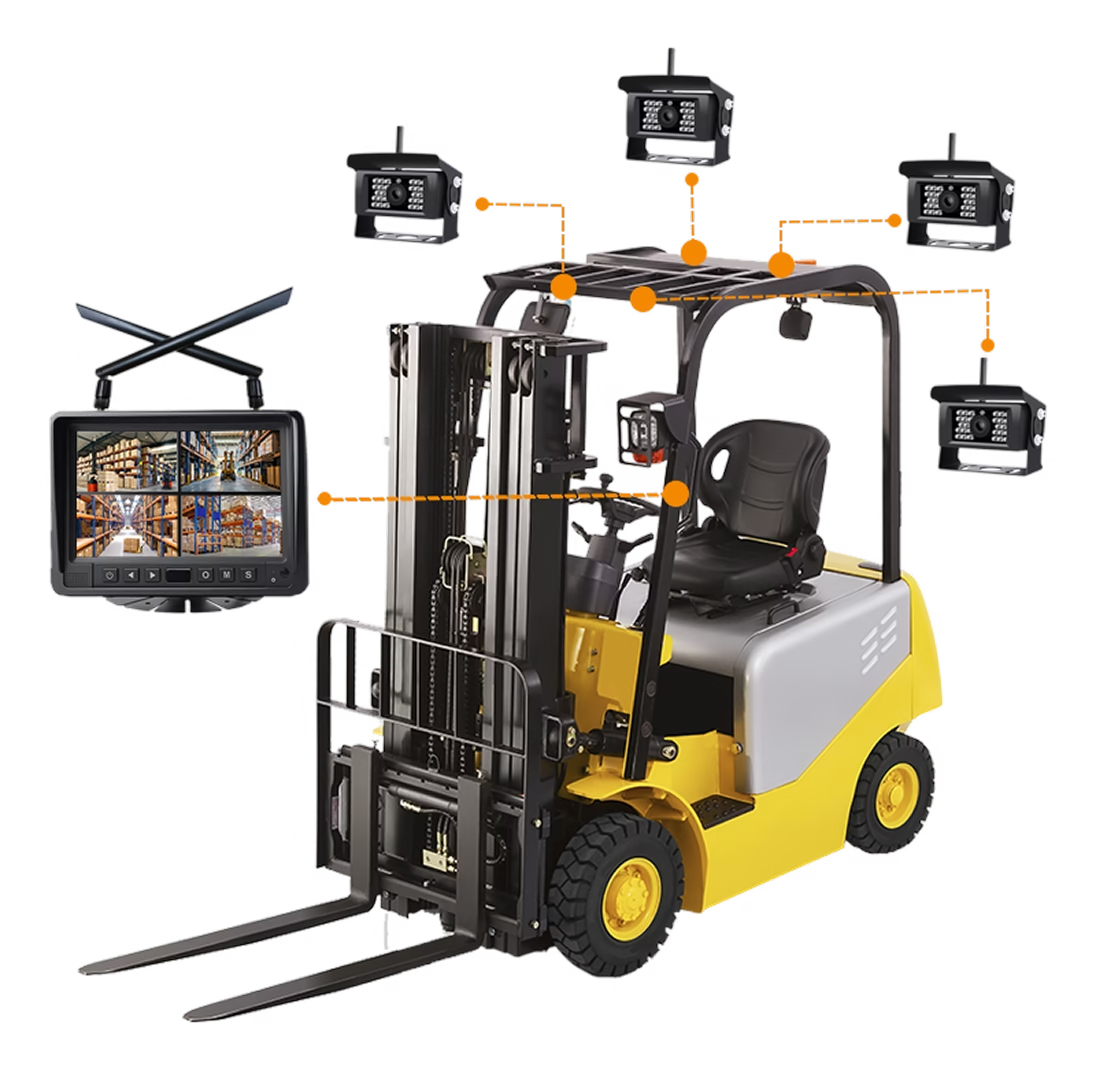
AI Pedestrian-Vehicle Collision Warning System
Millimeter-Wave Radar Anti-Collision System
UWB Anti-Collision System
360° Surround View Monitoring System
AI Pedestrian-Vehicle Collision Warning System
Millimeter-Wave Radar Anti-Collision System
UWB Anti-Collision System
360° Surround View Monitoring System
Mine Fleet Safety Across Open-Pit and Underground Routes
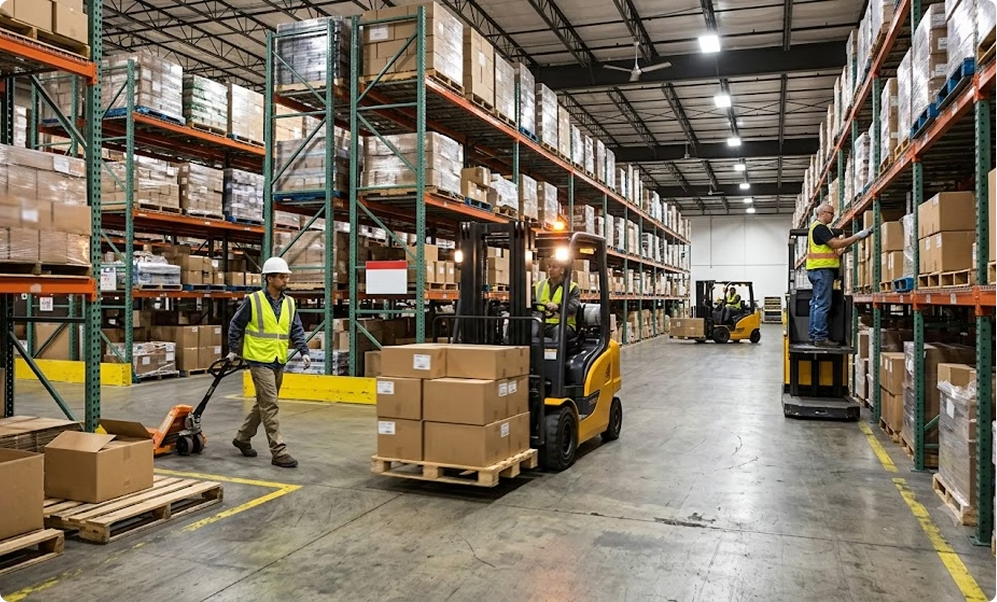
Open-Pit Mine Slopes
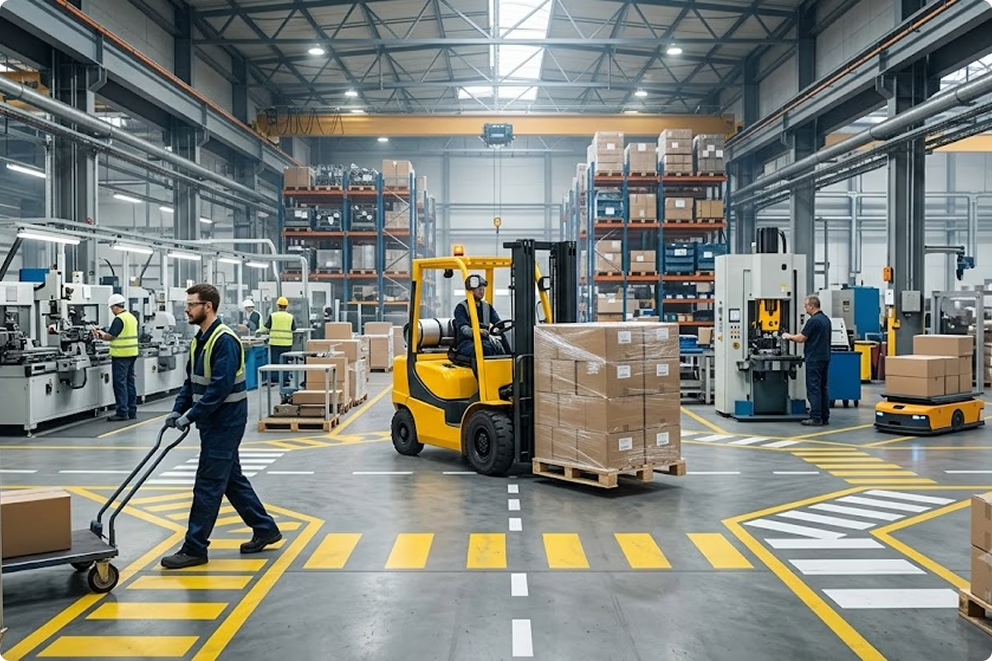
Underground Mining Tunnels
Loading & Dumping Areas
Mine Crossing Zones
Dusty Coal Logistics Yards
Night & Low-Light Operations
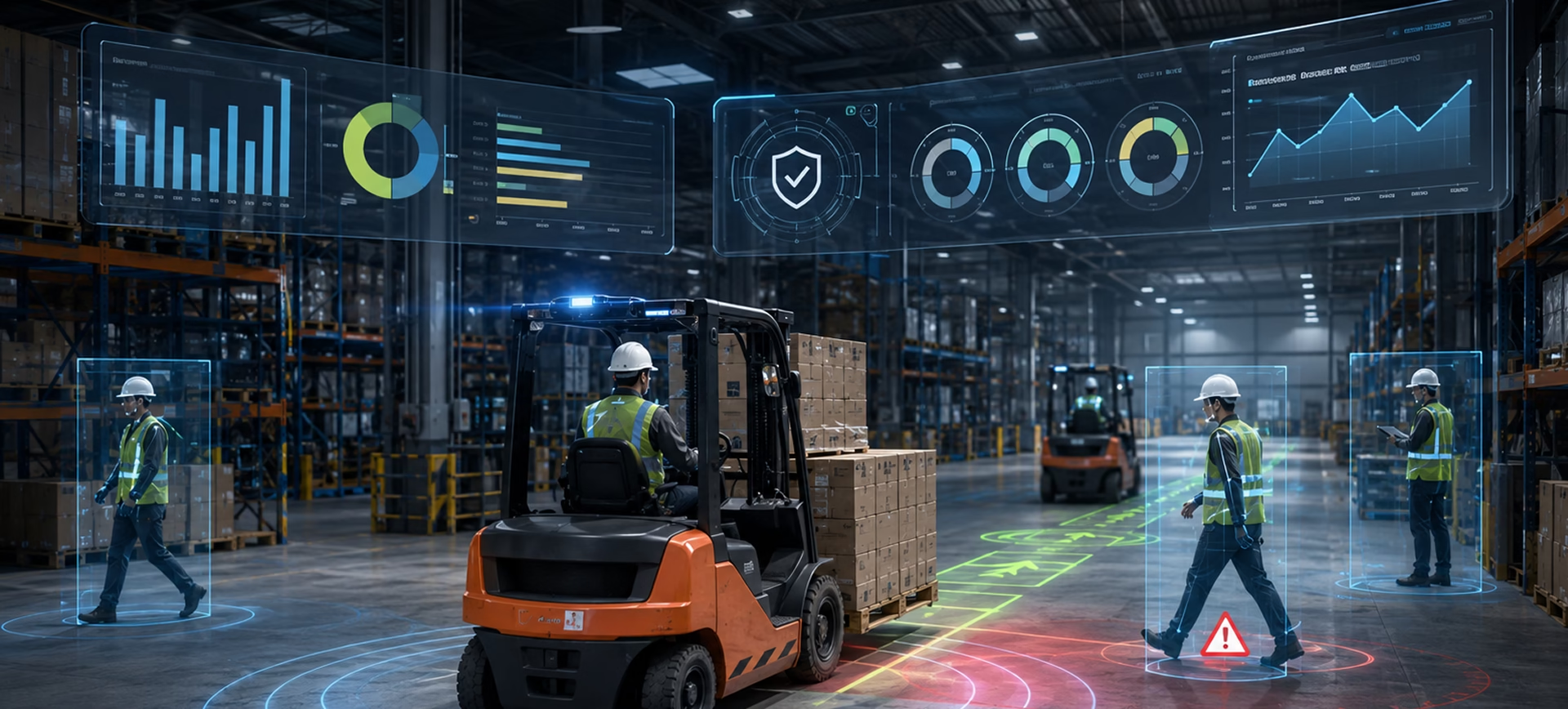
What a Collision Prevention Mining System Brings to Fleet Safety

Site-Wide Adaptability

Reliable Harsh-Condition Sensing

Earlier Multi-Level Warnings

Collaborative Safety Control
Safety Applications for Dusty and Mixed-Traffic Mine Sites
CUSTOMER PAIN POINT:
Solution:
Application Results:
Mining Vehicle SafetyFAQsfor Harsh Worksites
A: Large bodies, high cabins, wide turning areas, tunnels, and loading zones make mining vehicles safety harder to manage with mirrors alone.
A: AI cameras, radar warning and 360° surround view can improve visibility around the rear, side and working area, helping operators notice people, vehicles and obstacles before movement.
A: Radar and UWB positioning can support stable sensing when visual conditions are poor, while cameras provide clearer image confirmation when visibility allows.
A: A collision avoidance system mining setup can combine distance warnings, speed reminders, and optional speed control to help operators react earlier near ramps, curves, and downhill sections.
A: Yes. quarry vehicle safety solutions can be configured with cameras, radar sensors, warning devices, and video records to support safer movement in quarry roads, loading areas, and crossing zones.
A: Warning zones can be set by distance and risk level, so the system gives stronger alerts only when people, vehicles or obstacles enter high-risk areas.
A: Yes. Driver monitoring and safety records can help identify fatigue, distraction, unsafe speed or abnormal operation during long shifts and repetitive transport routes.
A: Video records, warning events, speed information and location data can support incident review, responsibility analysis, driver training and mine fleet safety management.


