
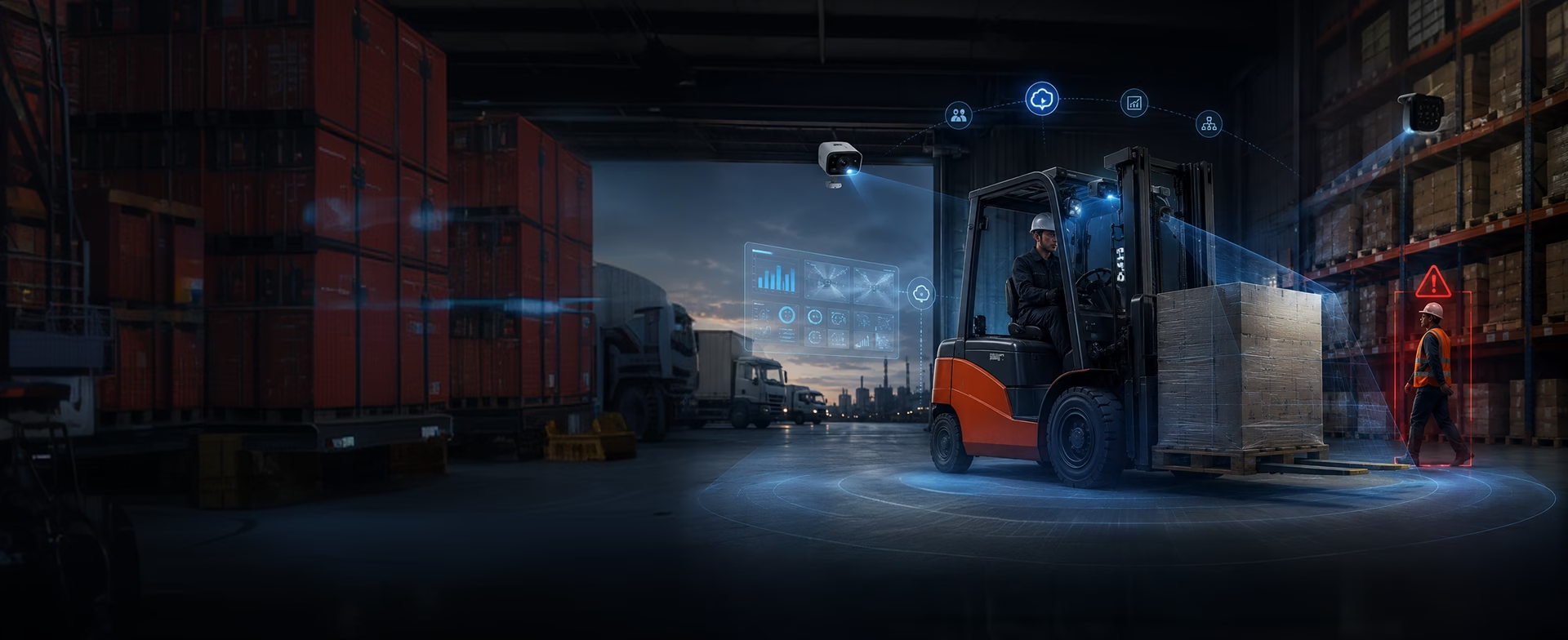
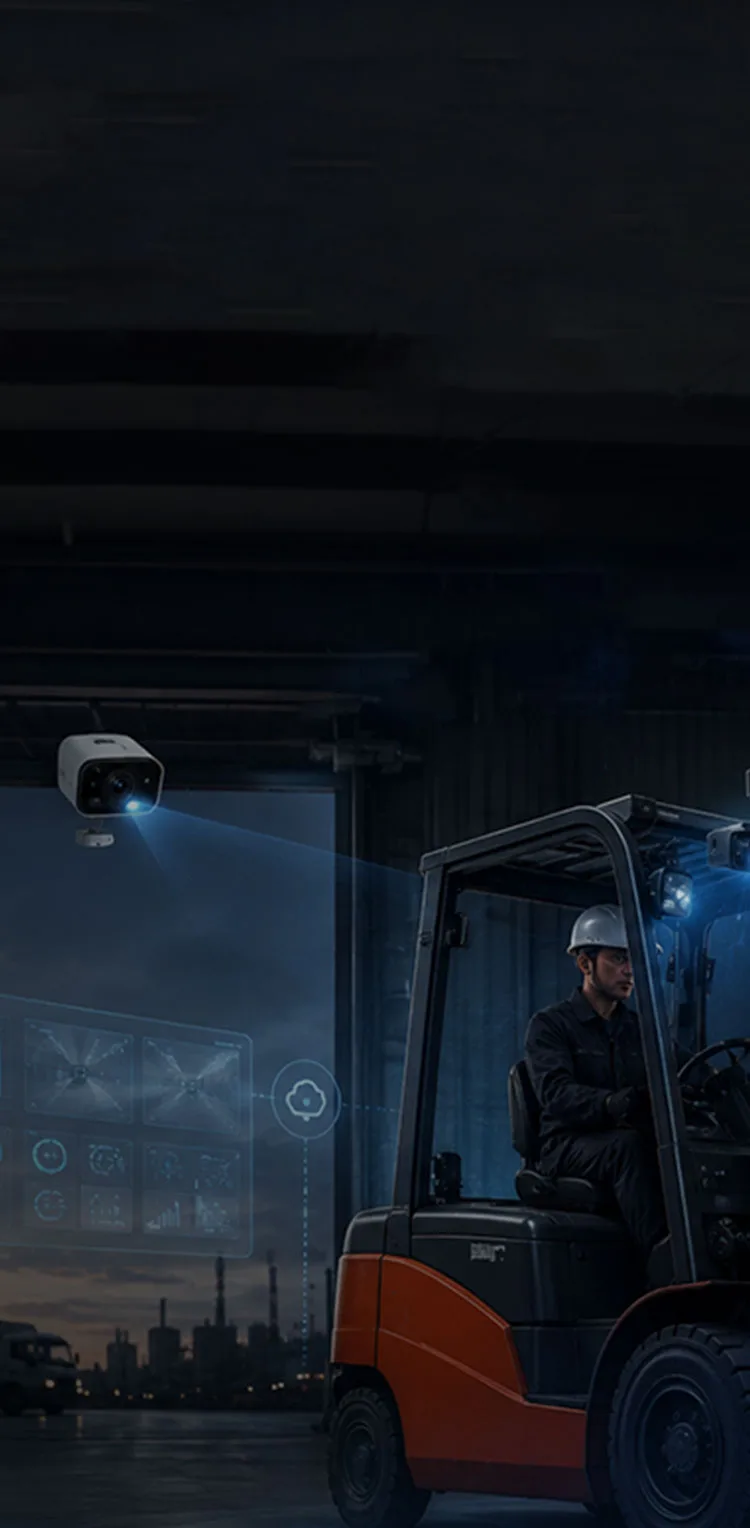
Construction Vehicle Safety with Clearer Worksite Awareness
this construction site camera system helps operators see risks earlier and keep
safety events traceable.
Small Risks, Bigger Site Losses

Boundary & Edge Damage

Work Sequence Disruption

Incident Review Difficulty
Boundary & Edge Damage
Work Sequence Disruption
Incident Review Difficulty
Key Risks inConstruction Vehicle Movement
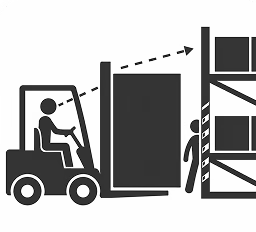
Changing Routes
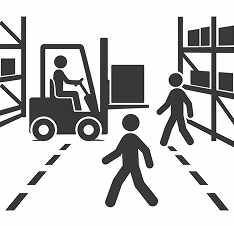
Machine Cross-Traffic
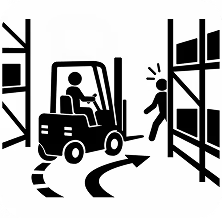
Multi-Side Blind Spots

Low-Visibility & Event Review
Changing Routes
Machine Cross-Traffic
Multi-Side Blind Spots
Low-Visibility & Event Review
Flexible Heavy Equipment Camera System for Changing Jobsites
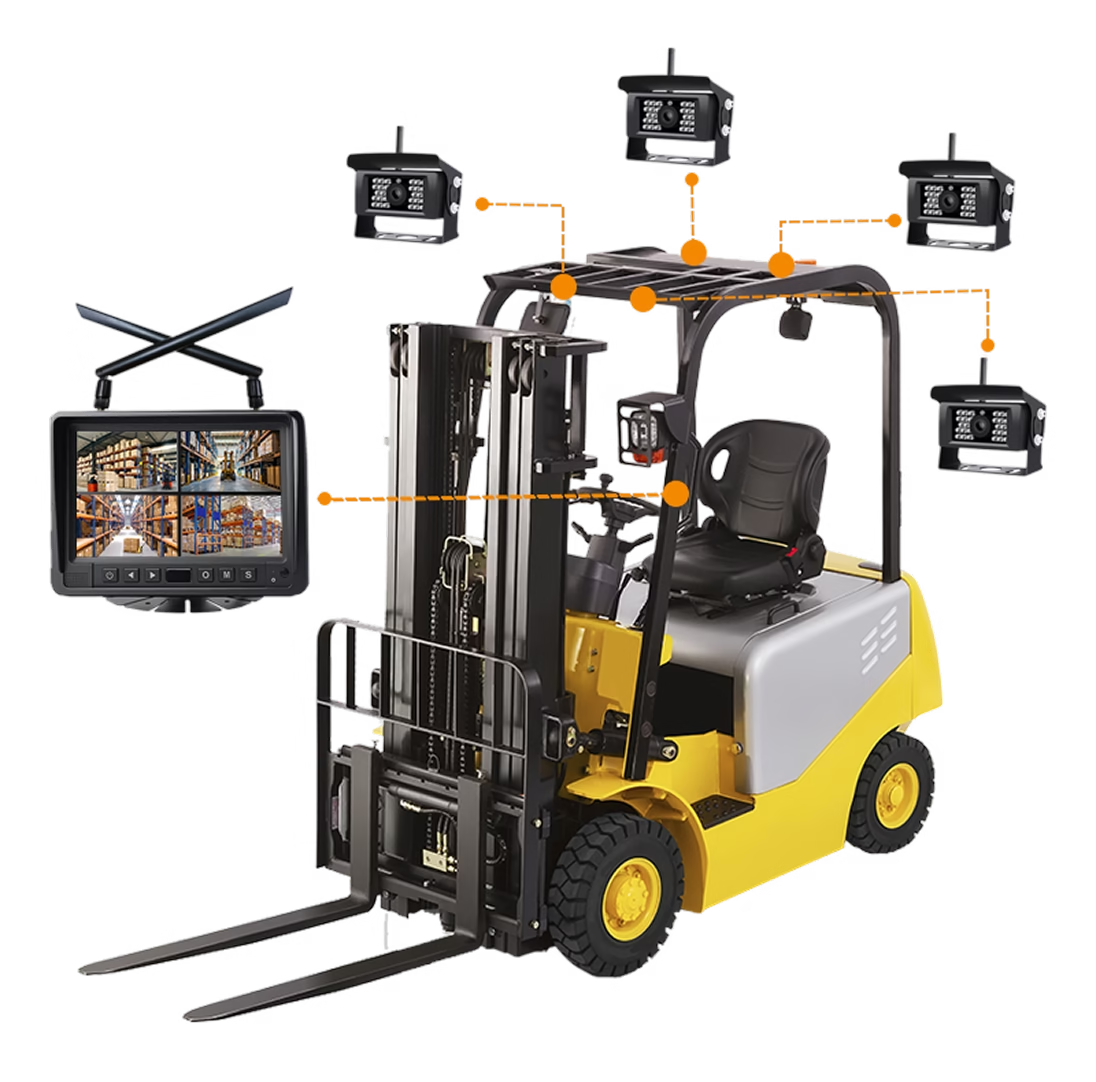
AI Pedestrian Collision Warning System
AI Reversing Radar Anti-Collision System
360° Surround View Monitoring System
Red Zone Warning Light
Driving Video Monitoring System
AI Pedestrian Collision Warning System
AI Reversing Radar Anti-Collision System
360° Surround View Monitoring System
Red Zone Warning Light
Driving Video Monitoring System
Heavy Equipment Cameras for Complex Jobsite Scenarios
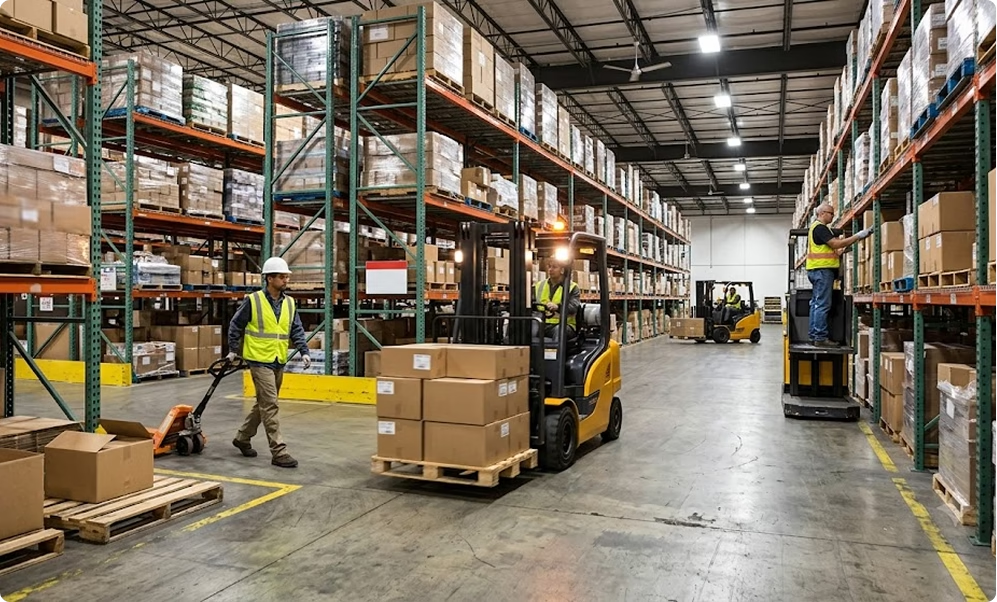
Construction Sites
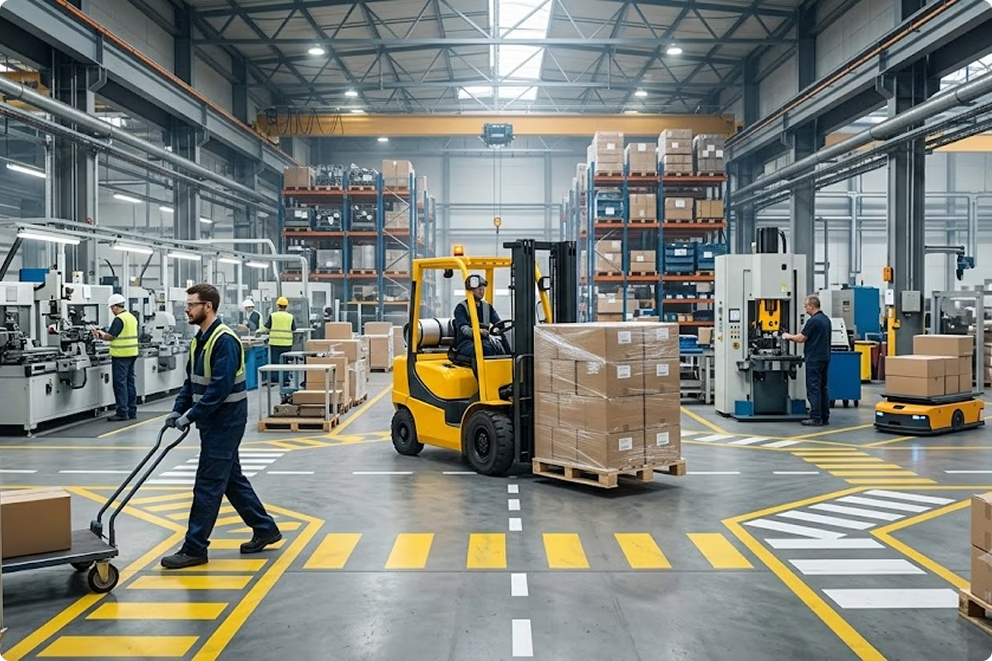
Mining & Quarry Areas
Port & Industrial Yards
Logistics Parks
Manufacturing Plants
Building Material & Food Sites
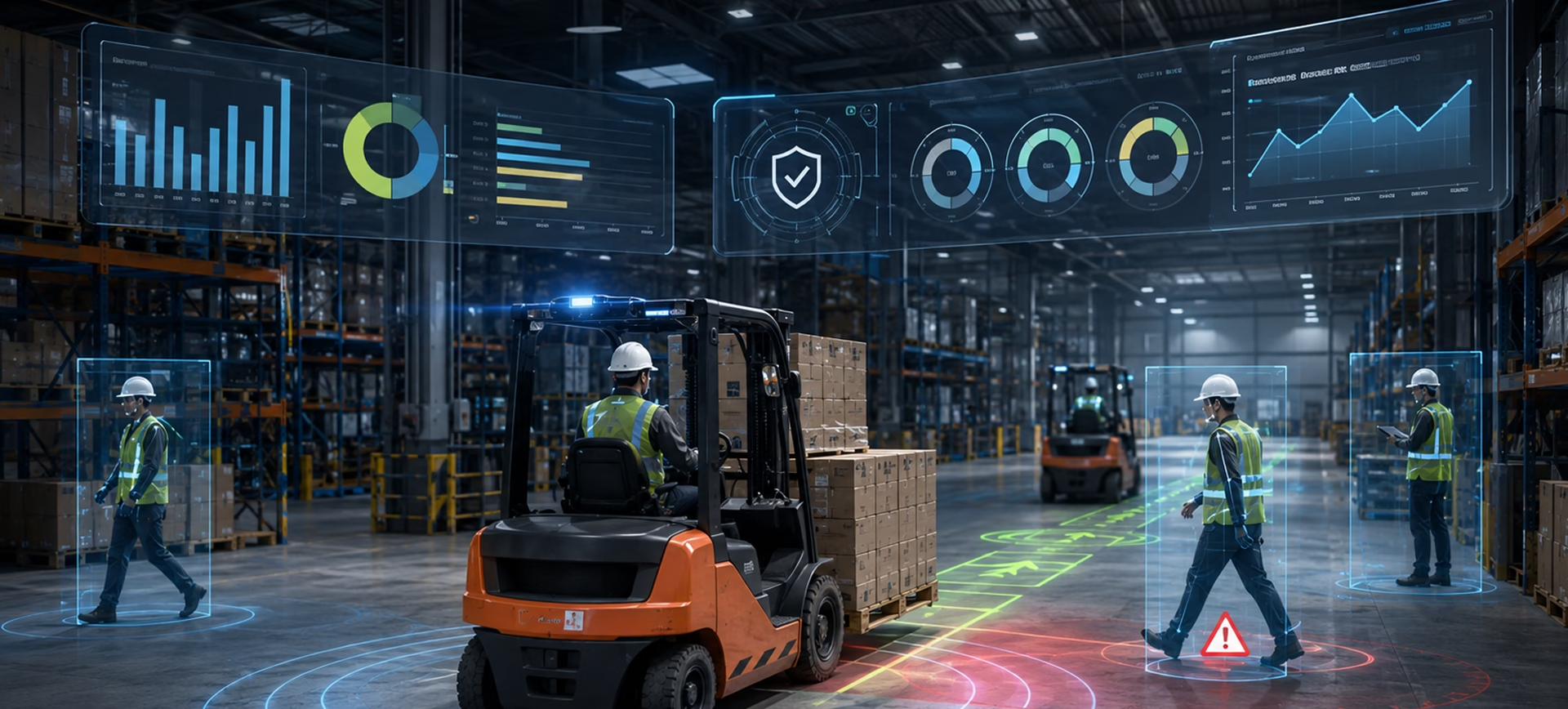
Bring Dynamic Risks Under Controlled Management

Clearer Surrounding Awareness

Earlier Collision Warnings

Safer Cross-Operations

Traceable Safety Events
From Jobsite Risks to Safer Operations
CUSTOMER PAIN POINT
Solution:
Application Results:
Heavy Equipment Camera System FAQs for Project Planning
A: Temporary roads, active work zones, and route changes make it harder for operators to judge nearby workers, machines, and obstacles. A flexible safety setup helps keep key risks visible as the jobsite changes.
A: In mixed machinery zones, vehicles often reverse, turn, load, and pass each other at close range. AI detection, radar warning, and visual alerts can reduce risks caused by blind spots and route conflicts.
A: Dust, mud, poor lighting and site structures can reduce visibility around the vehicle. In tunnel or excavation projects, a tunnel excavation monitoring system can help support clearer observation and safer vehicle movement.
A: Yes. AI cameras can detect workers around the vehicle, while radar and surround view systems help cover rear, side, and turning blind spots during reversing, transfer, and close-range operation.
A: Warning zones can be adjusted according to vehicle route, working distance, blind spot range, and risk level, making the system suitable for temporary roads, loading points, and active construction areas.
A: Vehicle size, power supply, mounting position, wiring route, camera angle, radar coverage, vibration level, and working environment should be confirmed before installation.
A: Not always. Different worksites have different risks, so cameras, radar, warning lights, video recording, and control functions should be combined according to the vehicle type and site conditions.


