
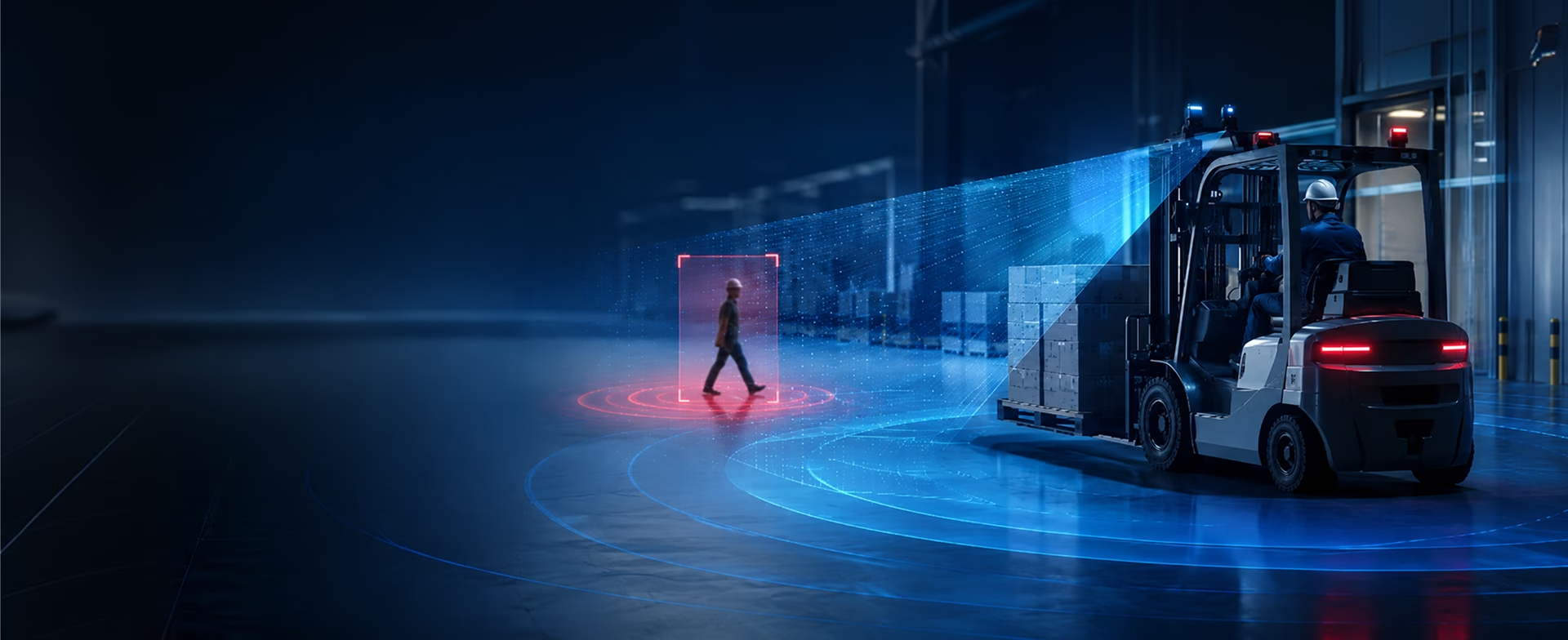

AI Safety Solutions —See Risks Before AccidentsHappen
industrial vehicle risks in real time and detects pedestrians, blind
spots, and collision hazards before accidents occur.
Why AI-Powered Safety Monitoring Matters?
Industrial Vehicles Have Blind Spots — AI Spots Hidden Risks

AI Pedestrian Detection System for Safer Operations

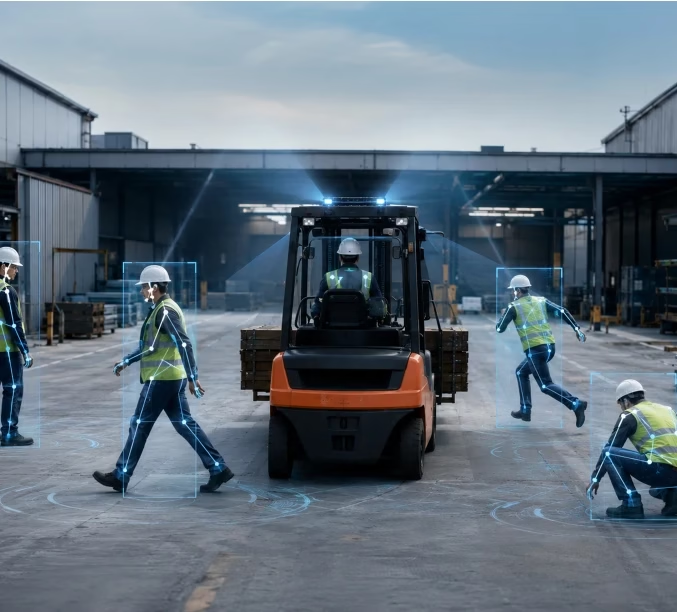
Posture Recognition

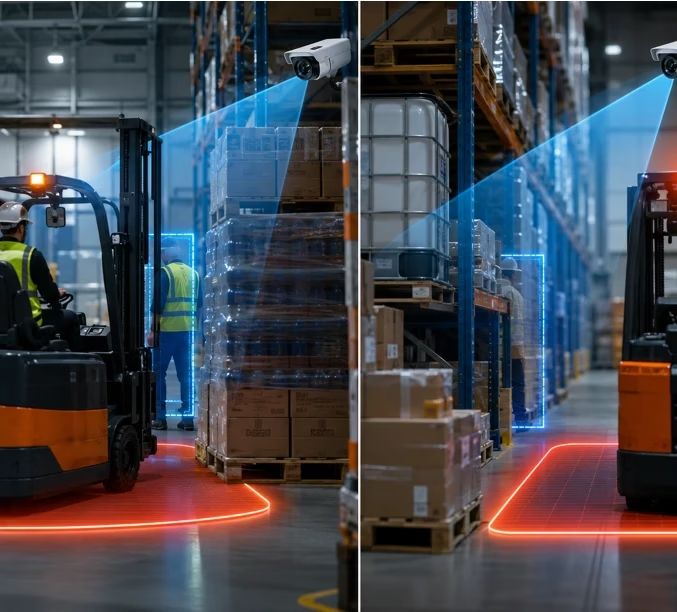
Occlusion Recognition

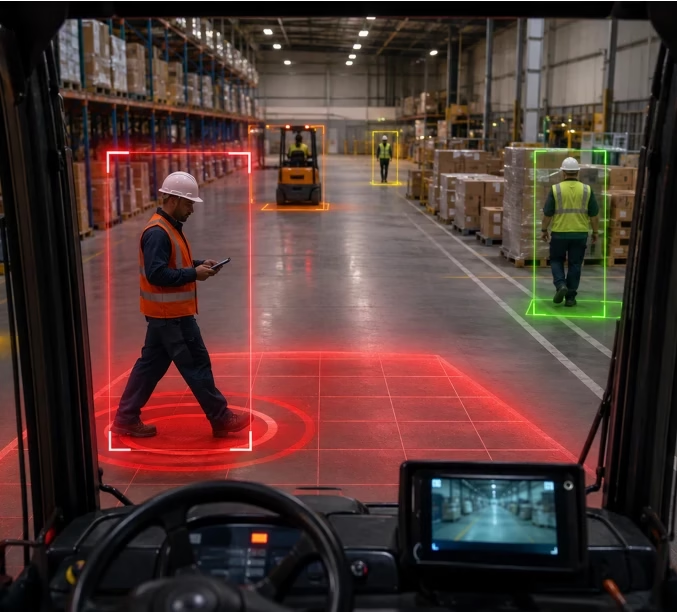
Multi-Person Recognition
Posture Recognition
Occlusion Recognition
Multi-Person Recognition
AI Collision Avoidance System for More Proactive Vehicle Safety
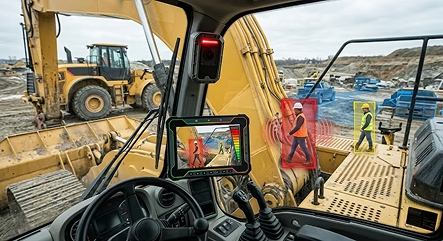
AI Risk Analysis
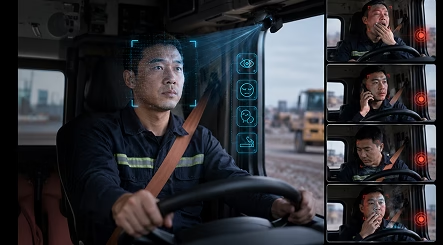
DMS Driver Behavior Monitoring
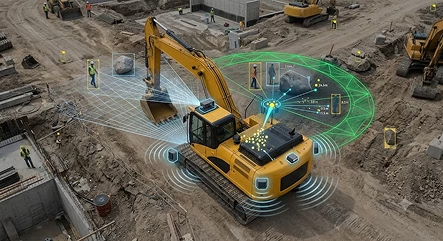
AI + Radar Fusion
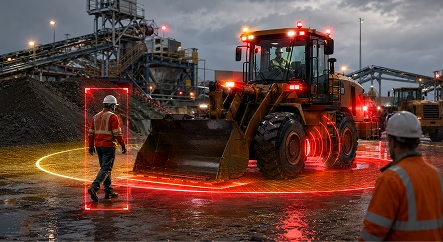
Active Warning
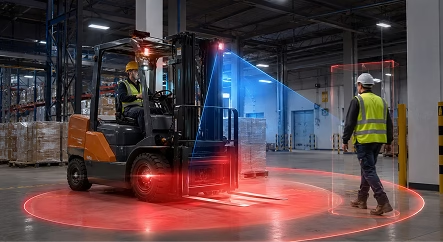
Active Stop Control
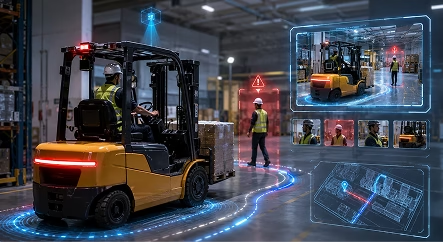
Safety Event Recording

Turn AI Auto Collisionin to Measurable Worksite Value
Collision Detection AI Solutions for High-Risk Worksites
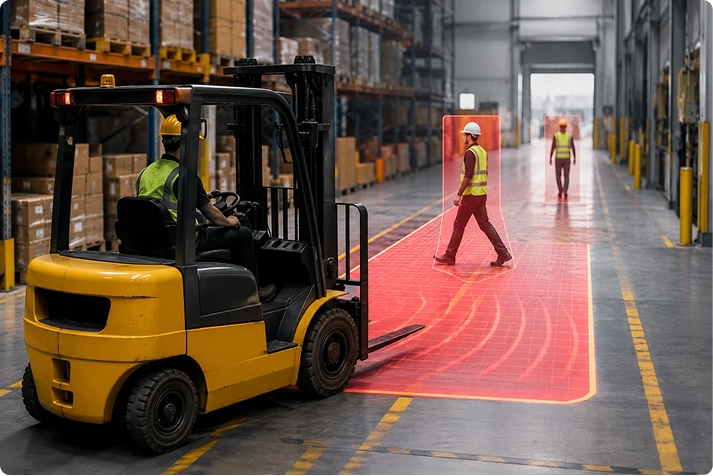
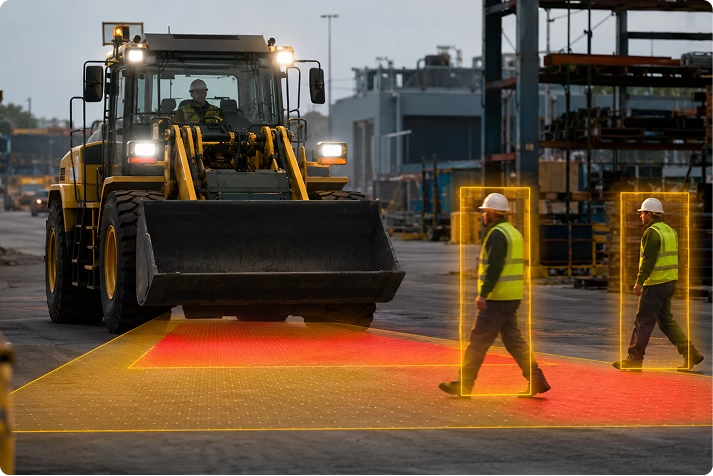
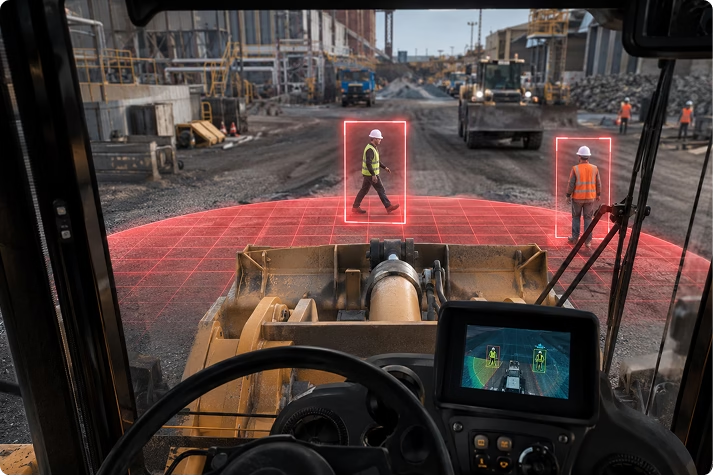
Ai Collision Safety for Easier Safety Upgrades

Focused on Industrial Vehicle Safety
Self-Developed AI Algorithms

AI + Radar Fusion with Custom Functions

Global Project Experience

OEM and Distributor Support

Product Series for Multiple Vehicle Types
AI-powered Collision Avoidance in Practice
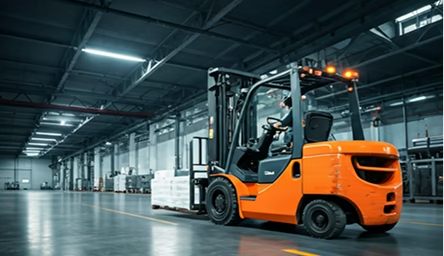
Food Industry Forklift AI Safety Upgrade
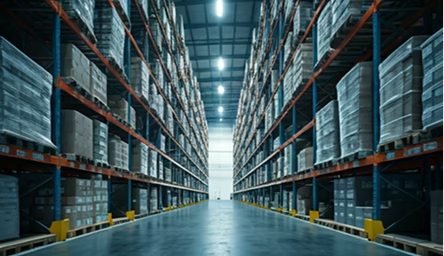
Tobacco Logistics Forklift Safety Upgrade
Shenzhen Smart Forklift Safety Upgrade
AI Collision Prevention Technology FAQs
A: No. Forklifts are the core application, but the system can also be adapted to loaders, construction vehicles, special vehicles, agricultural machinery, and other industrial vehicles. The final solution depends on vehicle structure, voltage, installation space, and control method.
A: It helps solve large vehicle blind spots, mixed pedestrian-vehicle traffic, reversing and turning risks, unsafe driver behavior, overspeeding, and difficult manual supervision. The system detects risks earlier and supports active intervention.
A: The system uses onboard AI cameras to detect people around the vehicle in real time. It can recognize standing, walking, running, squatting, sitting, side-facing, and partially blocked pedestrians, making it suitable for complex industrial environments.
A: It can do more than provide alarms. Depending on the vehicle condition and project requirements, the system can support speed limiting, lockout, or stop control to reduce collision risks in high-risk areas.
A: Yes. The system can be retrofitted to most existing forklifts and industrial vehicles. The final configuration depends on vehicle voltage, camera mounting position, control method, and onsite working conditions.
A: No. Customers can choose local single-vehicle warnings or connect to the cloud platform when they need alarm records, vehicle status, video events, and reports. This makes AI in fleet management services more flexible for different safety management needs.
A: The system is optimized for industrial worksites, with improved pedestrian recognition, dynamic target tracking, and interference filtering to reduce unnecessary alarms in complex environments.
A: Yes. WTSAFE can provide requirement assessment, solution configuration, installation guidance, parameter setup, operation training, and after-sales support to help customers complete deployment faster.


