
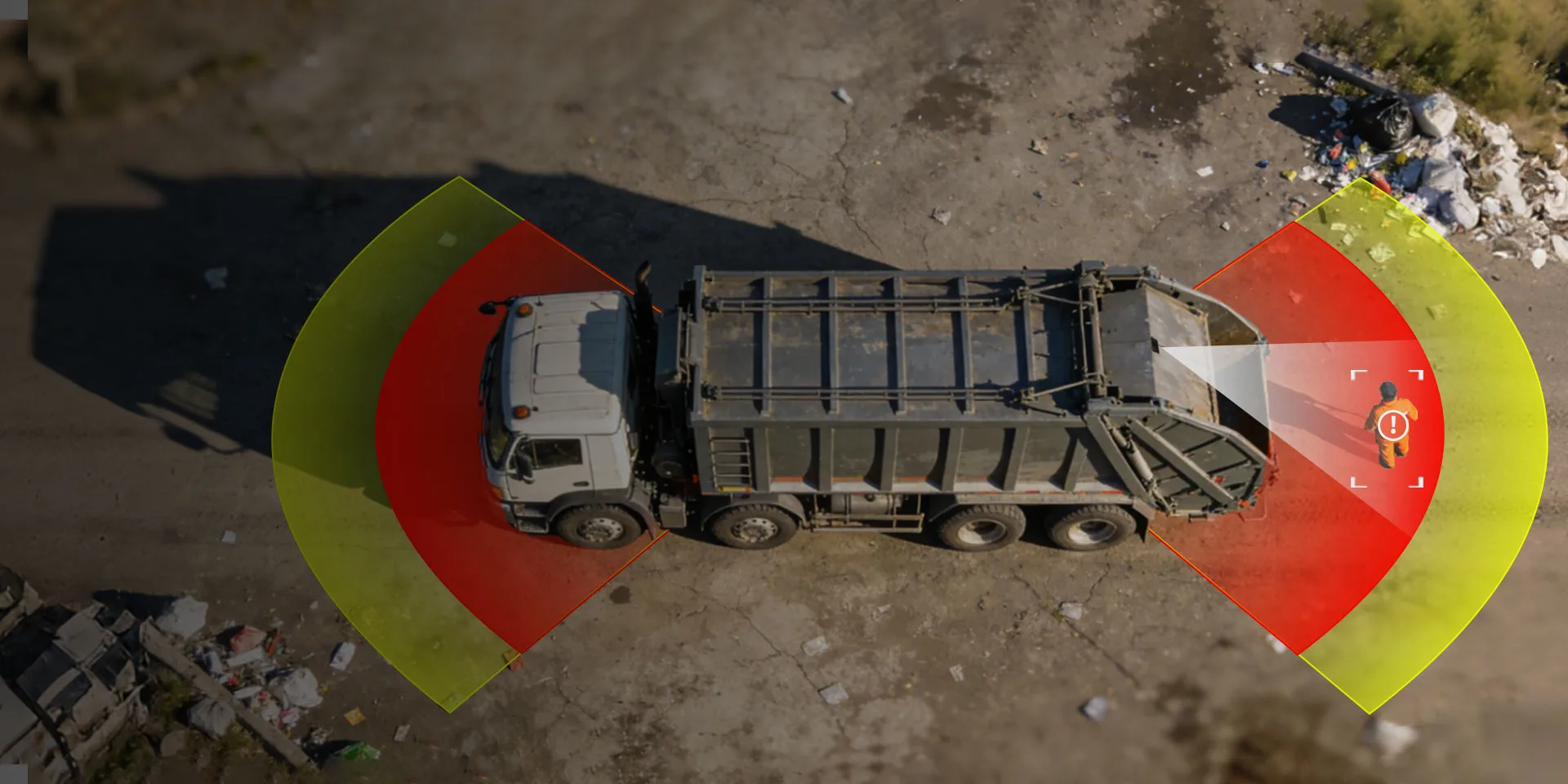
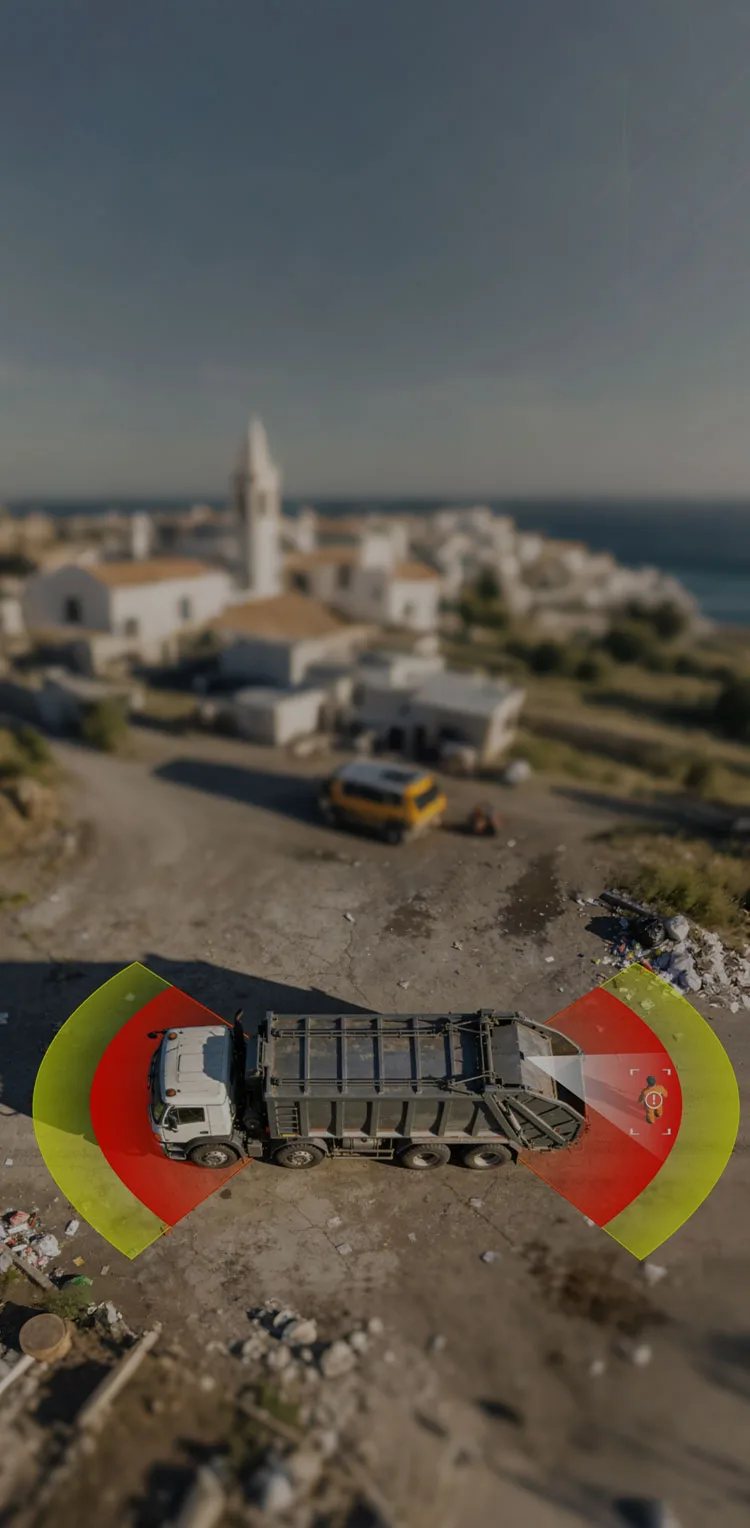
Special Vehicle Safety Starts with Clearer Visibility
improve visibility, collision alerts and event records on narrow, crowded
and night routes.
Risks That InterruptSpecial VehicleOperations

Public Route Disruption

Service Task Delay

Review Difficulty
Public Route Disruption
Service Task Delay
Review Difficulty
Risk Points in Special Vehicle Operations
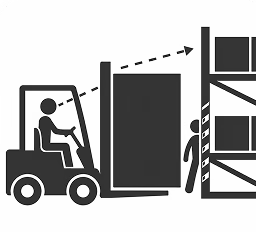
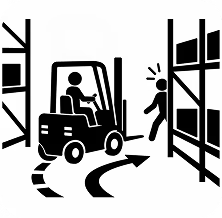
Large Body Blind Spots
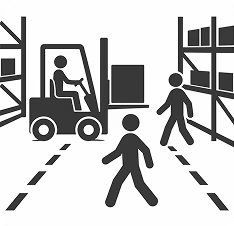
Crowded & Narrow Routes
Night & Harsh Visibility

Driver Behavior & Traceability Gaps
Large Body Blind Spots
Crowded & Narrow Routes
Night & Harsh Visibility
Driver Behavior & Traceability Gaps
Safety Monitoring Setups for DifferentSpecial Vehicle Risks
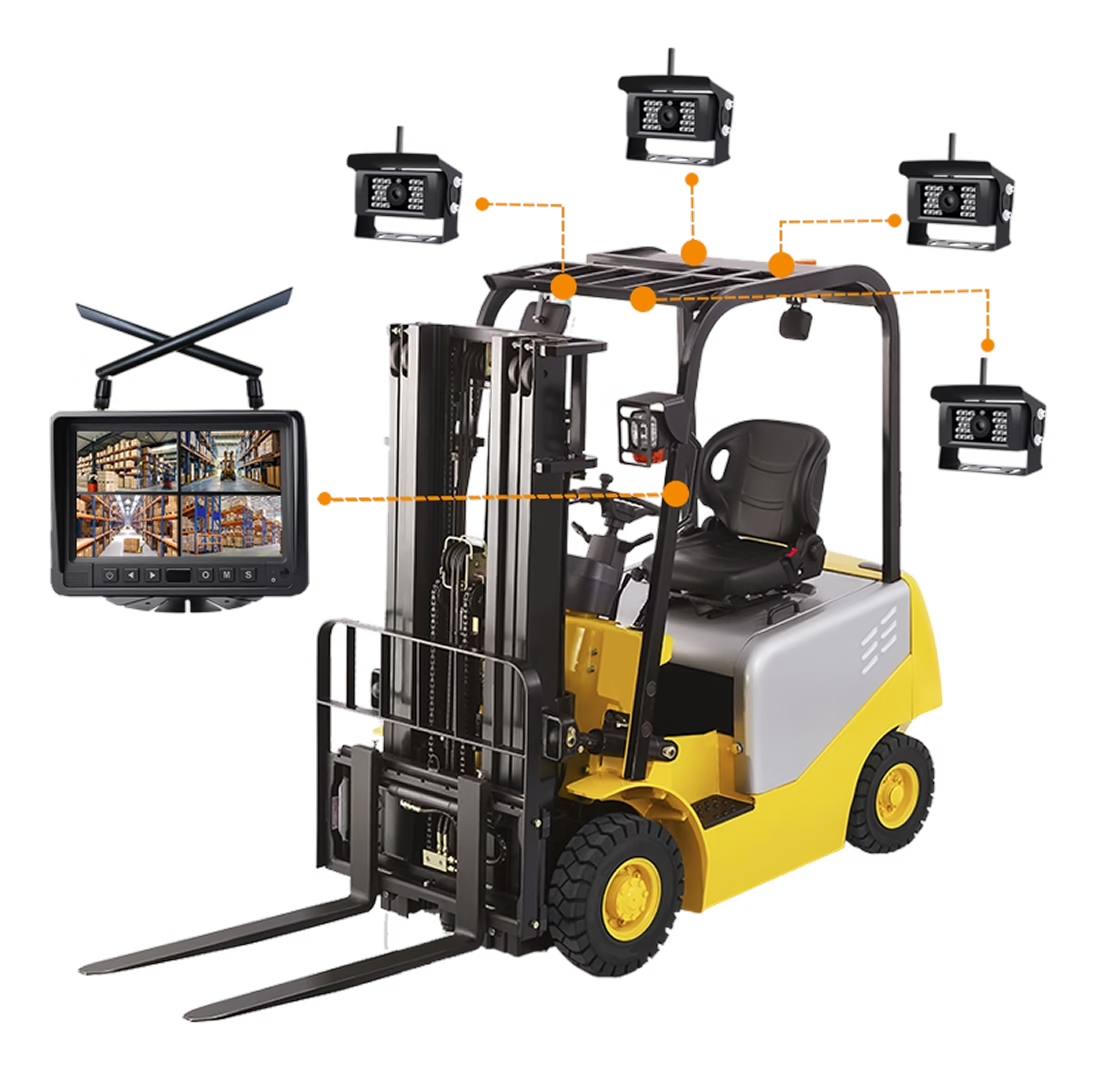
7/10-Inch HD Video Monitoring System
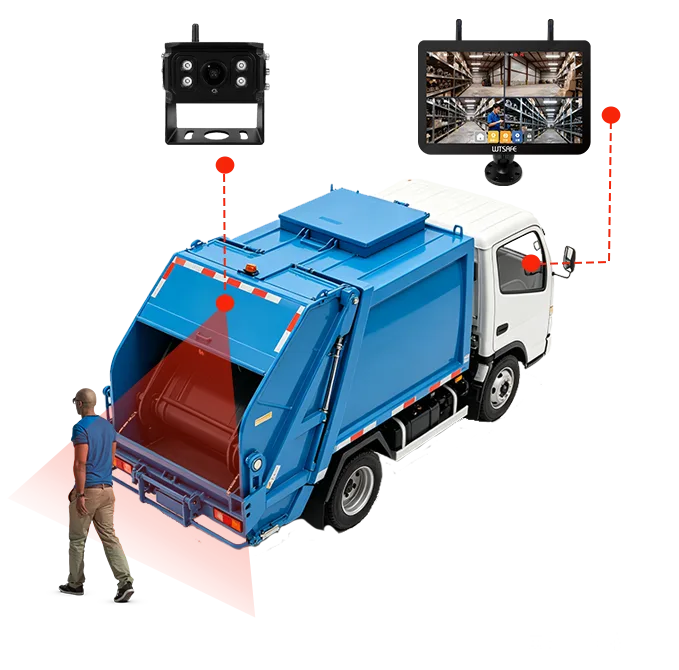
AI BSD Blind Spot Monitoring System
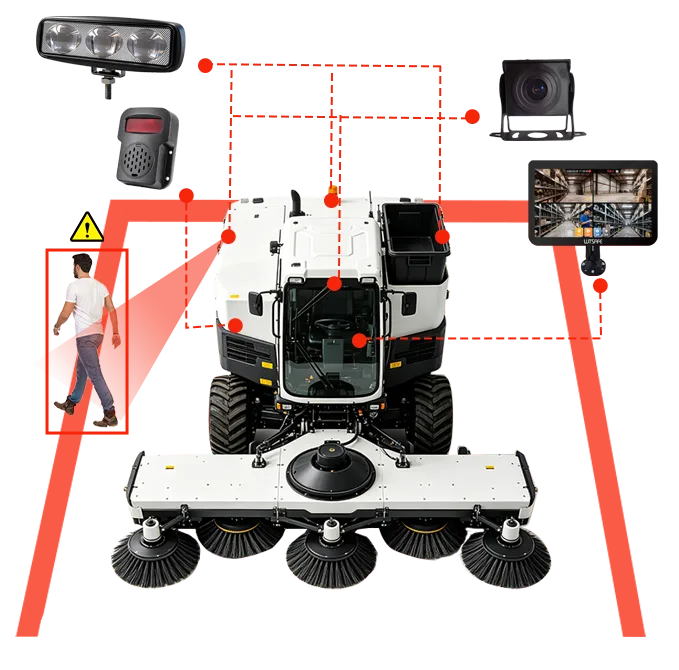
AI Collision Avoidance Control System
360° Surround View Monitoring System
7/10-Inch HD Video Monitoring System
AI BSD Blind Spot Monitoring System
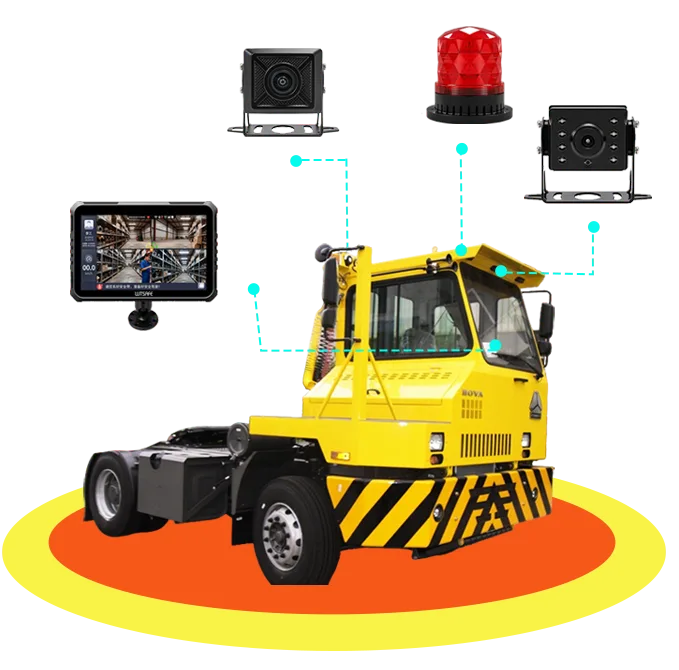
AI Collision Avoidance Control System
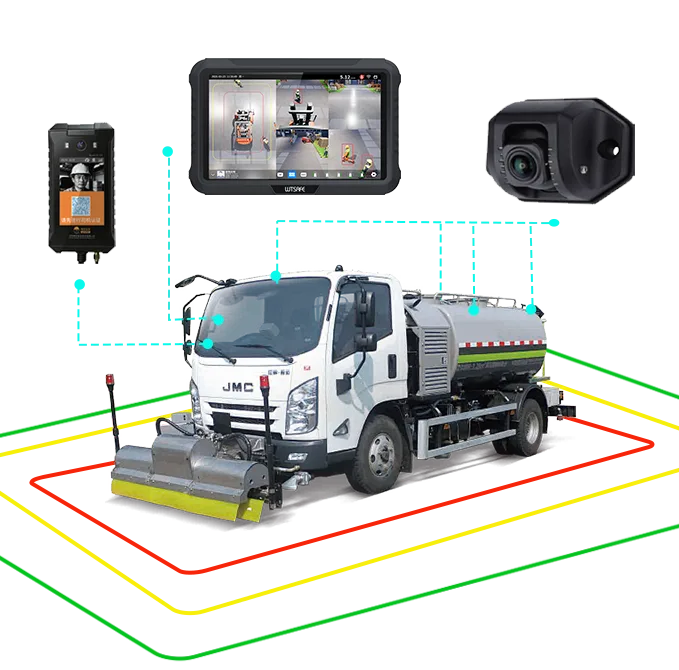
360° Surround View Monitoring System
Safety Coverage Across Special Vehicle Applications
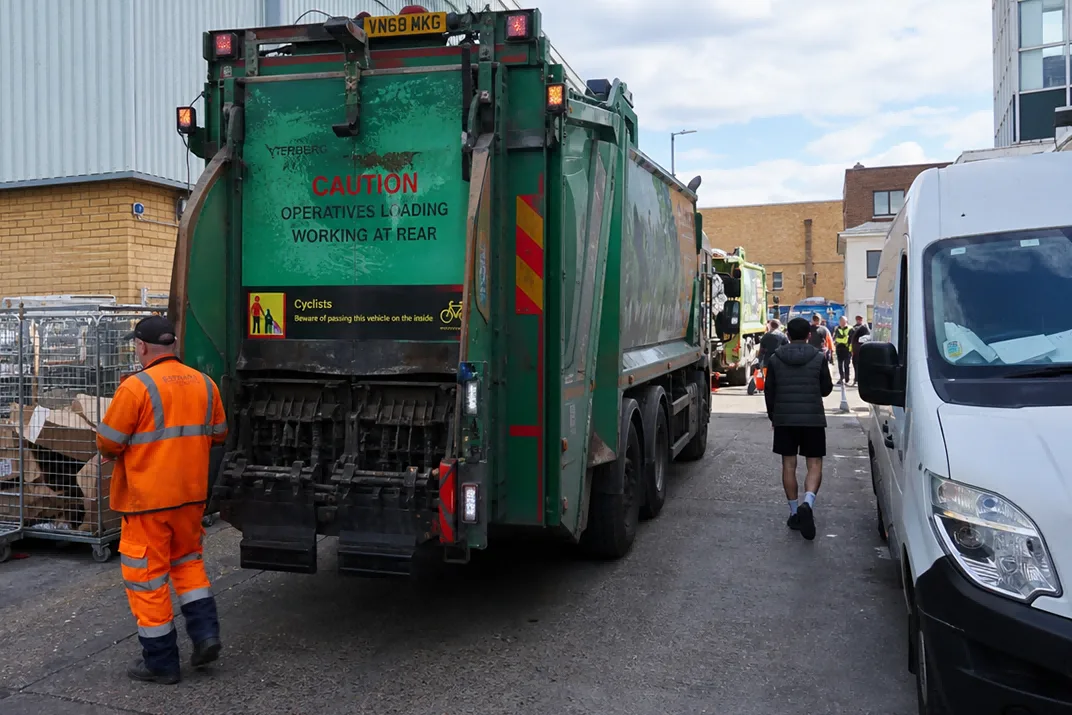
Sanitation & Waste Collection Vehicles
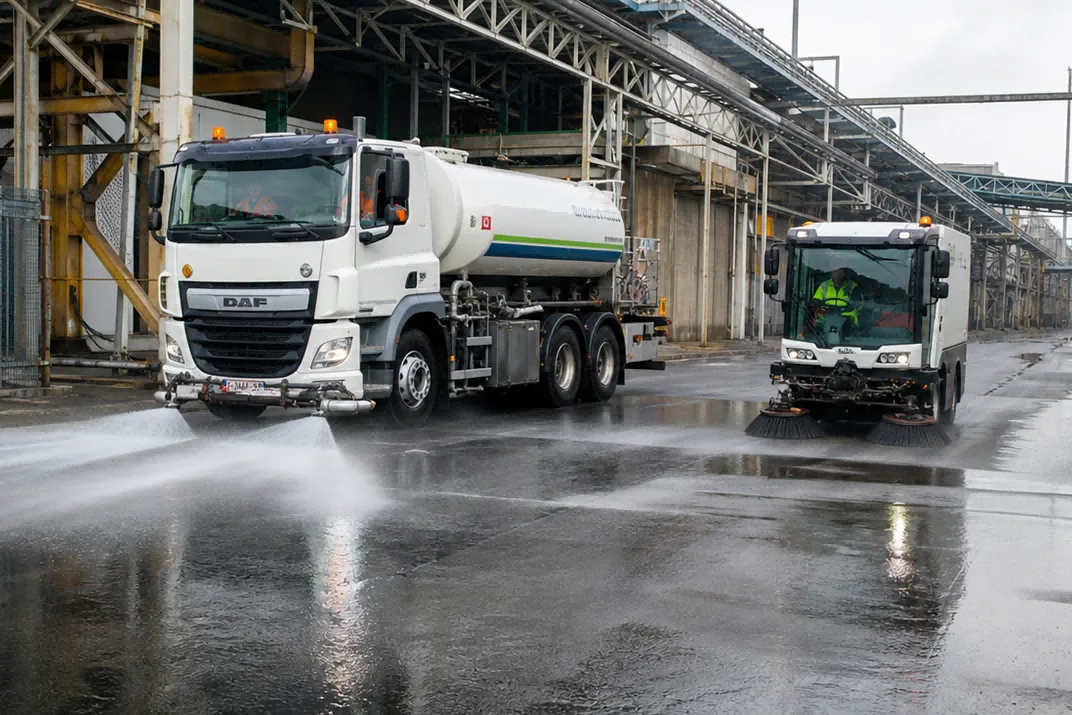
Watering & Road Maintenance Vehicles
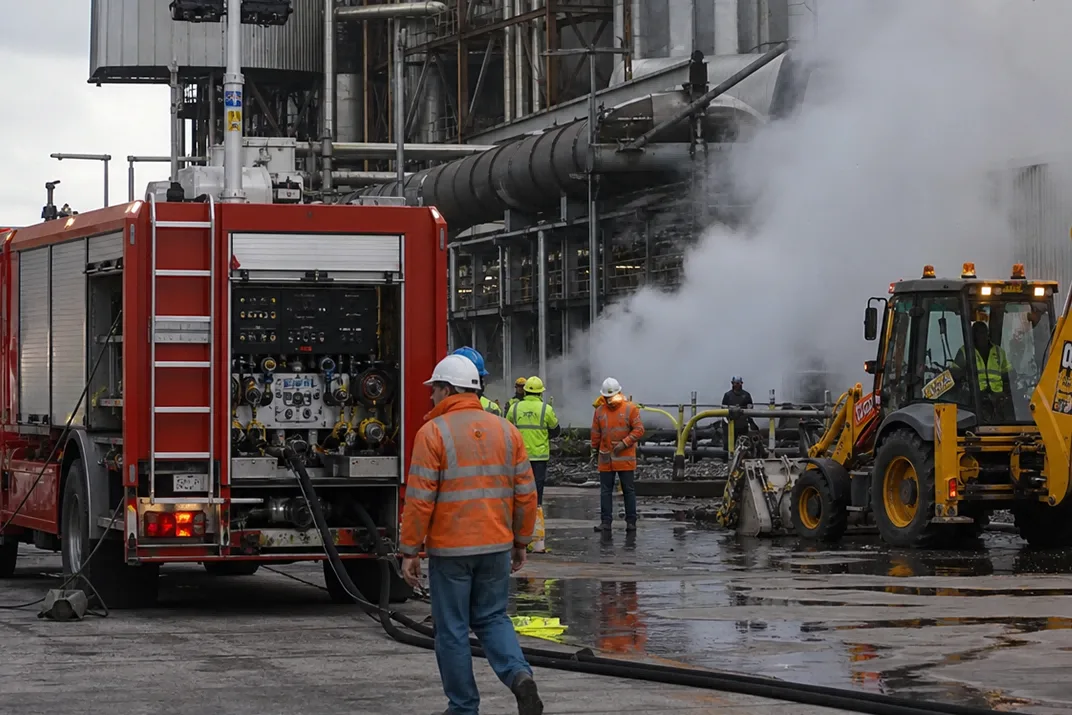
Emergency Rescue Vehicles
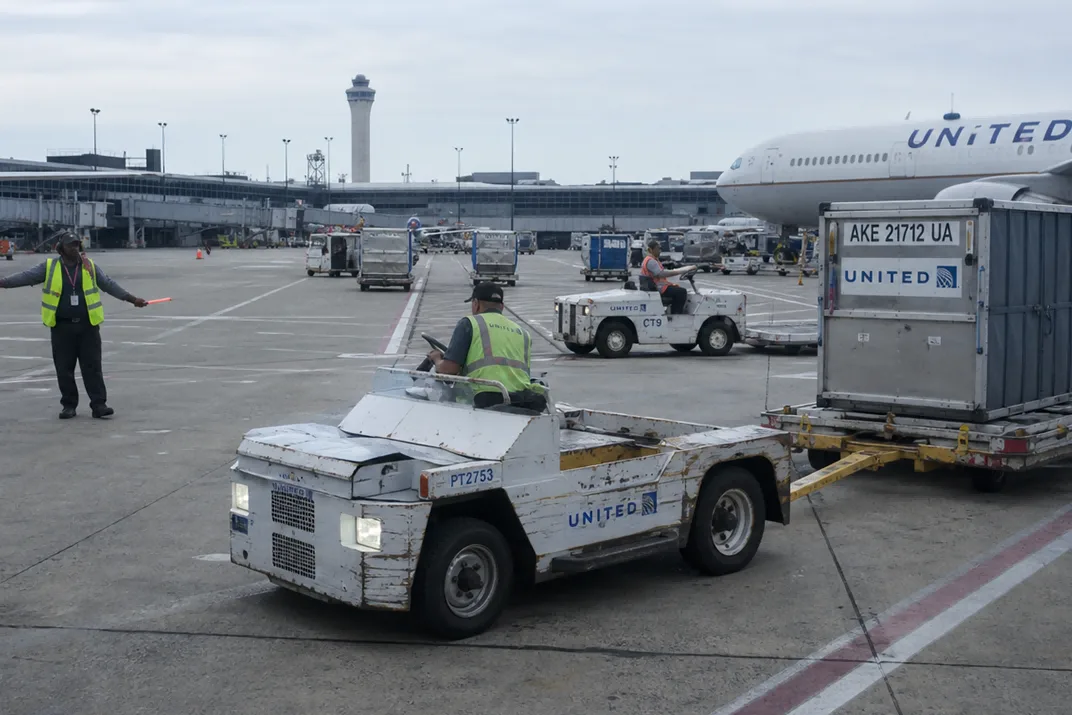
Towing & Traction Vehicles
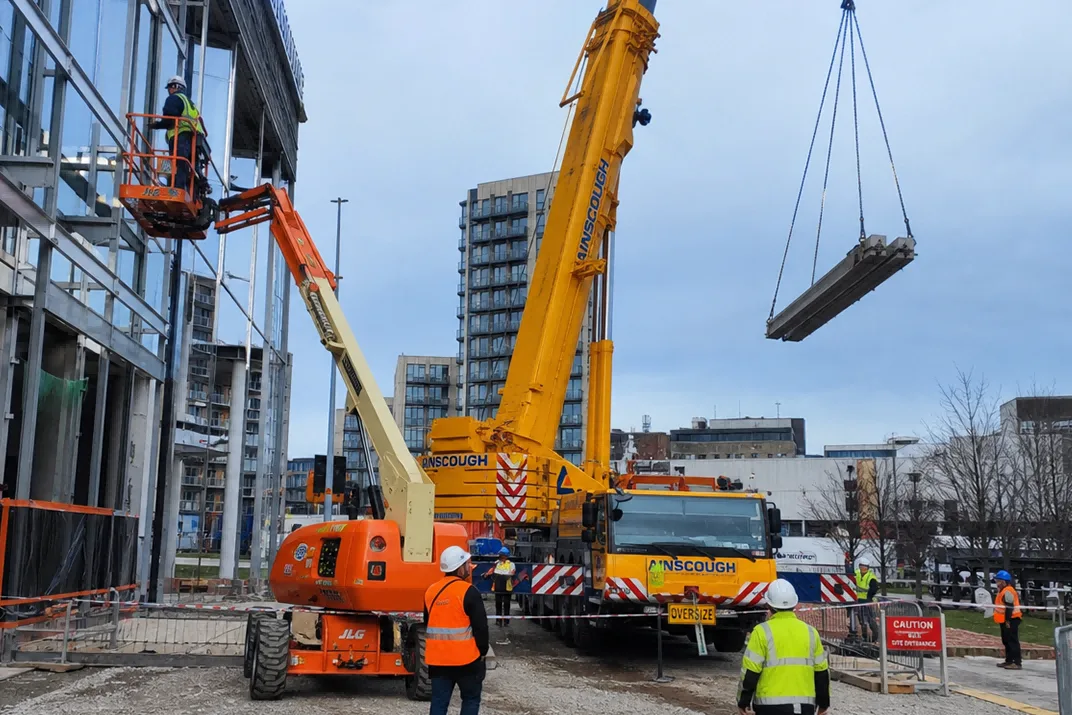
Crane & Utility Operation Vehicles
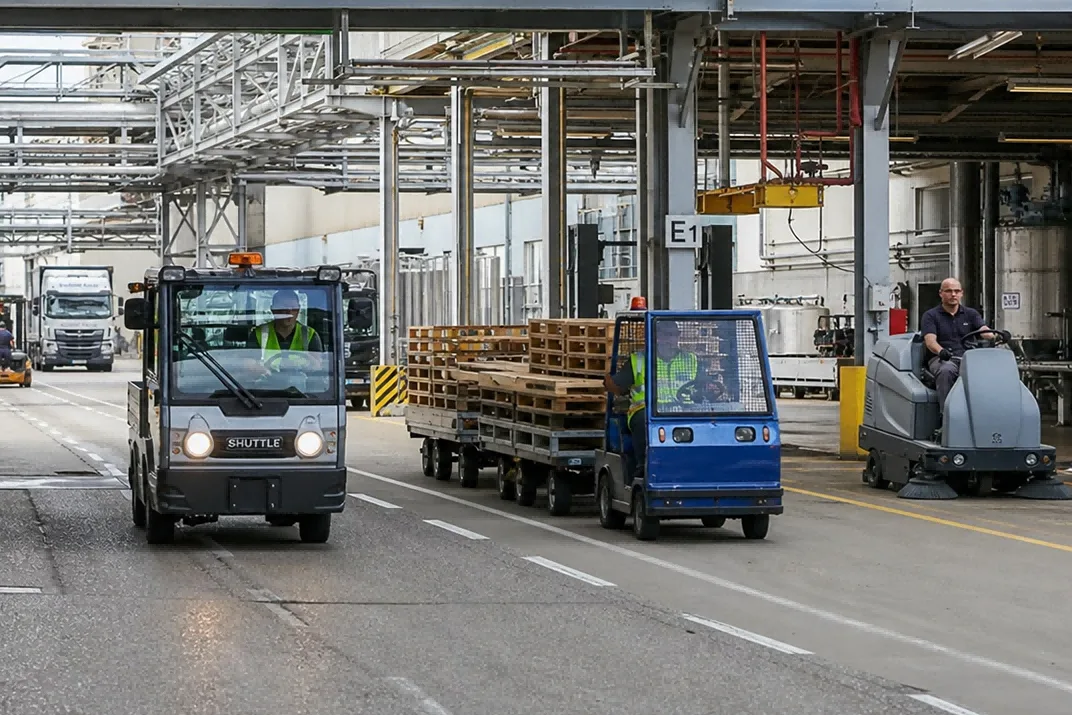
Industrial Park Service Vehicles
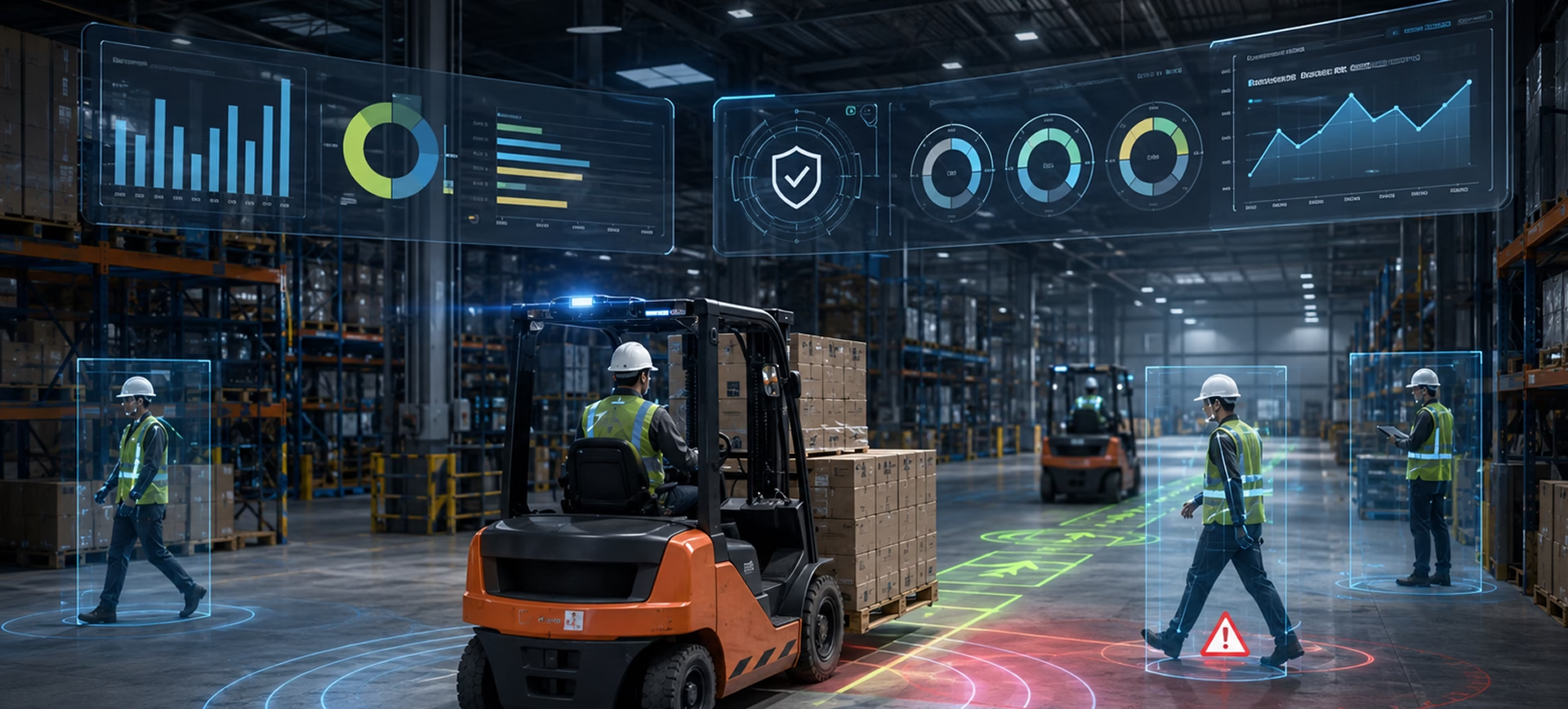
Make Complex Vehicle Operations More Visible, Timely and Manageable

Safety Upgrade

Faster Risk Alerts

Stronger Adaptability

Efficient Management
Practices for Safety Upgrades of Special Vehicle Fleets
Customer Pain Points:
Solution:
Application Results:
FAQs About Specialized Vehicle Safety Systems
A: A garbage truck camera system can use HD cameras, BSD monitoring, or 360° surround view to cover side, rear, and body-side blind areas, helping drivers see pedestrians, bicycles, parked vehicles, and roadside obstacles more clearly.
A: AI collision warning, BSD cameras and audible-visual alarms are suitable for vehicles working in narrow roads, plant areas, communities and loading zones where pedestrians may enter risk areas suddenly.
A: Yes. AI cameras and blind spot monitoring cameras can detect nearby people, vehicles and obstacles around long vehicle bodies, rear-mounted equipment and side working areas.
A: Visual alerts, voice prompts and audible-visual warning devices can remind both drivers and nearby people, reducing risks when engine noise or road noise makes manual warnings less effective.
A: For high-risk projects, AI warning can be linked with optional speed control or braking functions, helping reduce collision risks in restricted zones or close-range operation areas.
A: DMS can monitor fatigue, distraction, smoking and phone use, helping managers reduce behavior-related risks during long, repetitive or night-shift operations.
A: Yes. The setup can be adapted for a fire truck camera system, ambulance camera system, tow truck monitoring, sanitation vehicle cameras, or snow removal vehicles based on vehicle size, blind spots, installation position, and working environment.
A: With IP69 protection, wide-voltage design, flexible camera layouts and wired or wireless options, the system can adapt to rain, dust, vibration, washing and different vehicle structures.


